10 Great Southern Gothic Films Worth Watching

If you're drawn to stories set in the American South that explore moral corruption, family dysfunction, and the weight of history, Southern Gothic films are your obsession. These aren't cheerful movies. They're dark, atmospheric, and often unsettling—the kind of films that stay with you long after the credits roll.
Here are 10 great Southern Gothic films that define the genre and show you exactly why this style of storytelling matters. Whether you're a longtime fan or discovering the genre for the first time, these recommendations will give you a solid foundation in what makes Southern Gothic cinema so compelling.
Related: Southern Gothic vs Southern Noir: Key Differences Explained
Related: Southern Gothic vs. Noir: The Key Differences Explained
Related: A Dozen Southern Noir Classics: Must-Watch Films
The Classics: Where Southern Gothic Cinema Began
A Streetcar Named Desire (1951)
This is where modern Southern Gothic film essentially starts. Marlon Brando plays Stanley Kowalski, a brutish, volatile man married to Stella. When Stella's fragile sister Blanche arrives seeking refuge, the tension becomes unbearable. The film captures the claustrophobic atmosphere of New Orleans apartment life, class conflict, and the violent undercurrents of desire and desperation.
What makes this film essential: it established the visual language for Southern Gothic cinema—cramped spaces, humid atmosphere, and characters who are prisoners of their own impulses.
Swamp Water (1941)
This is the real pioneering work. Directed by Jean Renoir, Swamp Water follows a young man who discovers a fugitive hiding in the Georgia swamps. It's a noir-inflected mystery rooted in rural Southern landscape and the code of loyalty that binds working-class characters.
It laid the groundwork for everything that came after—proving that the South's swamps, forests, and backroads could be as cinematically rich as any urban crime scene.
To Kill a Mockingbird (1962)
Harper Lee's novel became a masterpiece on screen. Gregory Peck plays Atticus Finch in a small Alabama town grappling with racism, injustice, and the moral courage required to stand against corruption. The film moves slowly, deliberately, letting you feel the weight of place and history.
While it's more hopeful than most Southern Gothic works, it captures the genre's obsession with examining systemic evil and the psychology of communities built on oppression.
The Psychological Thrillers That Redefined the Genre
The Night of the Hunter (1955)
Robert Mitchum is unforgettable as Reverend Harry Powell, a serial killer posing as a preacher. He chases two children through Virginia and West Virginia, hunting for hidden money. The film is visually stunning, deeply unsettling, and entirely focused on the corruption hiding behind Southern religiosity.
If you want to understand how Southern Gothic explores evil masquerading as virtue, this is mandatory viewing. Like the character studies you'll find on David Culpepper, this film gets under your skin by showing you the psychology of predators.
The Beguiled (1971)
Don Siegel's film features Clint Eastwood as a Union soldier wounded and taken in by the women of a Southern boarding school during the Civil War. What starts as hospitality becomes manipulation, seduction, and violence. The atmosphere is suffocating—confined spaces, sexual tension, and the South's resentment toward Northern occupation.
It's a masterclass in psychological tension and the way confined communities can corrupt from within.
Wise Blood (1979)
Based on Flannery O'Connor's novel, this film follows Hazel Motes, a disillusioned war veteran who becomes a preacher of an anti-religious religion. John Huston's direction captures O'Connor's grotesque Southern landscape where faith, fraud, and madness collide.
It's weird, unsettling, and deeply rooted in the spiritual corruption of the modern South.
Modern Masters: Contemporary Southern Gothic
Mud (2012)
Jeff Nichols' film is quiet and meditative. Two young boys befriend a fugitive hiding on an island in the Mississippi River. As their friendship deepens, they're drawn into his violent past and his obsession with a woman. The film is shot through with nostalgia, coming-of-age sadness, and the knowledge that innocence can't survive contact with the adult world's moral complexity.
Matthew McConaughey gives one of his best performances as Mud, a man trapped by his own nature.
Beasts of the Southern Wild (2012)
This film is set in the Louisiana bayou where a young girl named Hushpuppy lives with her father in a community cut off from the wider world. When a hurricane threatens their home, the film becomes a meditation on poverty, environmental collapse, and a child's relationship to nature and loss.
It's beautiful and heartbreaking—a modern take on Southern Gothic that grounds the genre in climate anxiety and social abandonment.
Winter's Bone (2010)
Set in the Missouri Ozarks, this film follows a teenage girl searching for her missing father in a community bound by criminal networks, family codes, and brutal violence. Ree Dolly (Jennifer Lawrence) moves through a landscape of meth labs, broken-down houses, and characters trapped by geography and poverty.
It's gritty, grounded, and deeply atmospheric. The South here isn't romantic—it's a place where survival means accepting moral compromise.
Killer Joe (2011)
David Lynch's film is dark comedy-noir about a dysfunctional Texas family that hires a corrupt detective (Matthew McConaughey) to kill the mother for insurance money. It's violent, grotesque, and explores family pathology with the kind of dark humor only Lynch can manage.
If you want Southern Gothic that's campy and disturbing in equal measure, this is your film.
Why These Films Matter to Dark Story Lovers
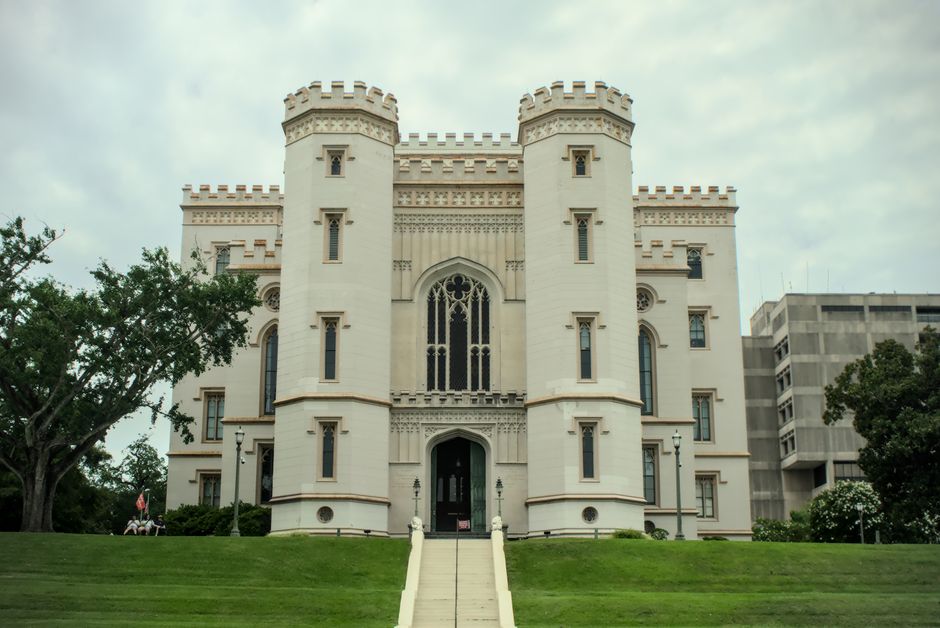
Southern Gothic films explore something essential about American identity—the gap between surface respectability and hidden corruption. They're set in communities shaped by history, racism, poverty, and violence. Characters are trapped by geography, family loyalty, and moral ambiguity.
These aren't films with easy answers. Like the kind of noir-influenced storytelling that David Culpepper explores in his crime fiction, these films sit with moral complexity and refuse to resolve tension neatly.
The South in these films isn't a setting you escape from—it's a character itself. The humidity, the darkness, the isolation, the history. You feel trapped by place the way the characters do.
Where to Watch These Films
Most of these films are available on streaming platforms, though availability varies. You'll find classic films like A Streetcar Named Desire and To Kill a Mockingbird on multiple services. Newer films like Mud and Winter's Bone are frequently available on platforms that focus on independent and arthouse cinema.
A quick search on your favorite streaming app will show you where each film is currently available. Some older titles may require rental.
If you're looking to explore this genre deeper, the atmospheric, morally complex approach these films take to storytelling pairs perfectly with reading crime fiction that values character and place. David Culpepper creates that same kind of dark, introspective fiction grounded in Southern settings and moral ambiguity.
Start with These Three If You're New to the Genre
If you've never watched a Southern Gothic film before, don't start with the most difficult or experimental ones. Begin here:
- To Kill a Mockingbird - Most accessible, universally acclaimed, still profound
- Mud - Contemporary, beautifully shot, emotionally resonant
- The Night of the Hunter - Absolutely essential, visually stunning, not too long
After those three, you'll have a feel for what the genre offers. Then move into the stranger, more unsettling territory.
What makes a film Southern Gothic?
A Southern Gothic film typically combines several elements: a setting grounded in the American South (urban, rural, or swamp), characters shaped by history and family dysfunction, moral ambiguity where heroes and villains aren't clearly defined, atmospheric cinematography that emphasizes darkness and isolation, themes involving racism or class conflict, and a tone that's more pessimistic than hopeful. The genre doesn't always offer redemption.
Do I need to watch these films in any particular order?
No. You can start anywhere that appeals to you. If you love psychological thrillers, begin with The Night of the Hunter or The Beguiled. If you prefer contemporary films, start with Mud or Winter's Bone. There's no required sequence—these are all standalone films that exist in the same genre ecosystem but tell completely different stories.
Are Southern Gothic films always slow-paced?
Many are, but not all. Films like A Streetcar Named Desire move quickly through intense conflict. Killer Joe has dark comedic energy. What they share is a focus on atmosphere and character psychology over plot action. If you prefer faster-paced stories, start with Killer Joe or A Streetcar Named Desire rather than the more meditative films like Mud or Beasts of the Southern Wild.
Can I watch these films with family?
Not all of them. A Streetcar Named Desire and To Kill a Mockingbird are appropriate for older teens and adults. Films like The Night of the Hunter, The Beguiled, and Killer Joe contain violence, sexual content, and disturbing imagery. Check ratings and content warnings before watching with family members.