Best Crime Fiction Authors Guide of All Time
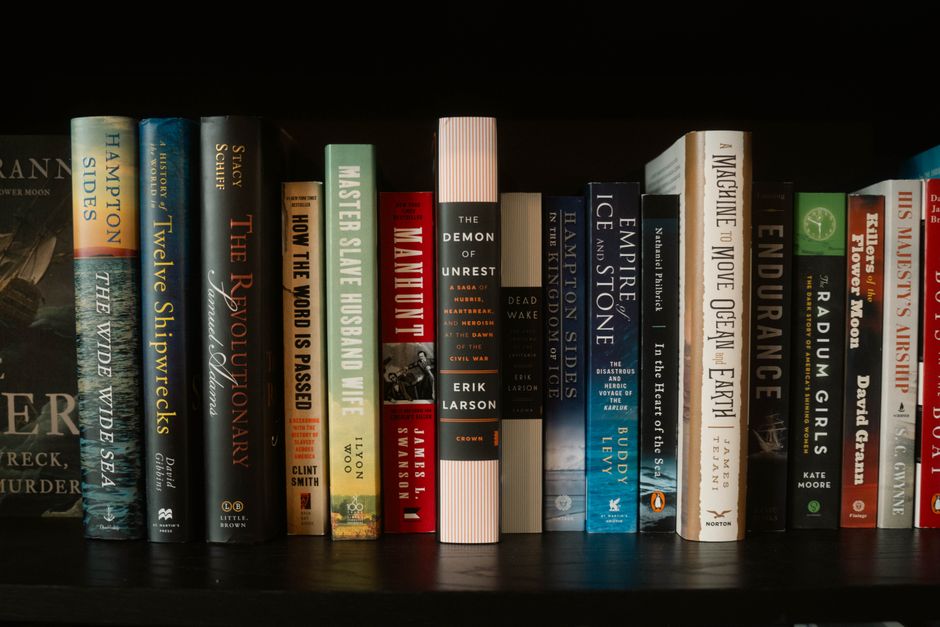
If you're looking to dive deep into crime fiction, you need to know which authors actually matter. The best crime fiction authors guide isn't about trendy bestseller lists—it's about the writers who shaped the genre and the ones pushing it forward right now. This guide walks you through the classics that laid the foundation, the contemporary voices redefining noir, and how to build a reading list that'll keep you hooked for years.
The Classic Foundations Every Reader Should Know
Before you can understand modern crime fiction, you need to read the architects. These are the authors who established what crime fiction could be.
Related: Best Crime Fiction Authors Guide: Reddit's Top Picks
Related: Best Crime Fiction Authors 2026: Top 7 Ranked
Related: Best Literary Crime Fiction 2026: Top 6 Authors Ranked
Stanley Ellin is one of those foundational names. He wrote short stories and novels with the kind of psychological precision that made crime fiction respectable as literature. His work isn't flashy, but it's essential—the kind of writing that teaches you how tension actually works.
Then there's the Swedish duo, Maj Sjöwall and Per Wahlöö. Their *Roseanna* basically invented the police procedural novel as we know it. If you've read any modern crime fiction that follows detective work across multiple chapters, you're reading their influence. These two proved that crime fiction could be both literary and gripping.
H.R.F. 'Harry' Keating and Mike Ripley represent the British tradition that influenced everyone who came after. They understood that setting and character could be as important as the plot itself. That's the DNA running through quality crime fiction today.
Contemporary Crime Fiction Authors Redefining the Genre
The 2025-2026 publishing landscape is full of writers who respect the tradition but aren't bound by it. These are the voices you should be reading right now.
S.A. Cosby is writing some of the most visceral, morally complex crime fiction happening today. His work on the 2026 Gold Dagger Shortlist shows what happens when you combine Southern authenticity with unflinching character study. He doesn't shy away from the hard questions about race, violence, and justice.
Vaseem Khan brings a different sensibility. His *The Girl in Cell A* (also Gold Dagger Shortlisted in 2026) shows how crime fiction can explore institutional systems while keeping readers emotionally invested in individual characters. His work proves that literary crime fiction can come from any tradition and speak to a global audience.
Wanda M. Morris writes Southern crime fiction that feels grounded in real places and real pain. Her novels explore how legacy and corruption are tangled up in regional history. If you appreciate atmospheric storytelling rooted in place, Morris should be on your list.
Alex Segura and Jessica Brody round out the contemporary bench. Segura blends noir with modern sensibilities, while Brody constructs psychological thrillers with the kind of architectural precision that makes you trust her completely. These writers represent different approaches to the same mission: making readers care about characters in impossible situations.
When you're building your own reading list, mixing these contemporary voices with the classics creates something powerful. You get the foundational techniques from Ellin and Sjöwall-Wahlöö, and you see how writers like those explored on David Culpepper are taking those lessons into new territory.
How to Build Your Crime Fiction Reading List
Don't just grab books randomly. A smart reading strategy gets you better results.
Start with one classic. Pick either Stanley Ellin or *Roseanna*. Read it. Pay attention to how the writer builds tension and develops character. This isn't entertainment first—it's a masterclass.
Then read one contemporary author working in the same space. See how they've evolved the form. Notice what they kept from the classics and what they changed. This comparison teaches you more than any writing book ever could.
Alternate between eras. Classic, contemporary, classic, contemporary. This rhythm keeps you from burning out on one voice and helps you see the genre's evolution clearly.
Follow award recognition. The Gold Dagger Shortlist, Crime Writers' Week, and similar industry markers point you toward books that matter. Not every award-winner is for you, but the award conversation is where serious crime fiction lives.
If you're serious about understanding the literary side of crime fiction—the craft, the atmosphere, the moral complexity—that's where understanding authorship really deepens your reading. It's the difference between enjoying a book and learning from it.
Where Contemporary Crime Fiction Is Heading
The 2026 publishing pipeline shows crime fiction moving toward deeper character psychology and regional specificity. Authors aren't just writing about crime—they're using crime to explore systemic issues, personal legacy, and moral ambiguity.
This matters because it means crime fiction is becoming more literary, not less. Writers like David Culpepper and others in the contemporary space are proving that noir and Southern gothic traditions can hold serious weight while still delivering page-turning plots.
You're seeing more crime fiction that refuses easy morality. The protagonist isn't always sympathetic. The villain might be more understandable than the law. The "right" answer to a crime isn't always the legal one. This complexity is the future of the genre, and if you want to stay engaged with modern crime fiction, you need to be comfortable with that moral gray area.
Expert Resources for Deepening Your Knowledge
Reading is the foundation, but learning from working writers accelerates your understanding.
Crime Writers' Week features bestselling and award-winning authors in direct mentorship settings. These are actual practitioners breaking down their process. If you're serious about understanding the genre at a deeper level, this is worth investigating.
Following industry discussions—awards shortlists, literary journals covering crime fiction, interviews with contemporary authors—keeps you connected to where the conversation is happening. You're not just reading in isolation; you're participating in an ongoing dialogue about what crime fiction is and what it can be.
The best crime fiction authors guide is really just your reading list, curated thoughtfully and expanded regularly. Start with the classics to understand the foundations, read contemporary voices to see the form evolving, and stay curious about where the genre is heading next.
Related: Best Crime Fiction Authors Today: 2026 Reading Guide
Building Your Own Crime Fiction Perspective
Here's the honest truth: reading about crime fiction authors matters way less than actually reading their work. The guide is just a map. You have to walk the territory yourself.
Start this week. Pick one classic and one contemporary author. Read them back-to-back. Notice what resonates with you. Pay attention to the writing techniques that actually work on your nerves and keep you reading past midnight.
As you read more widely, you'll develop your own sense of what makes crime fiction work for you. Maybe you'll love the procedural detail. Maybe you'll chase atmospheric dread. Maybe you want moral complexity that doesn't resolve neatly. Your preferences will guide your reading better than any guide ever could.
If you want to explore how literary crime fiction approaches character and place, that kind of reading deepens everything—your understanding of the genre, your appreciation for craft, and your ability to spot the difference between entertainment and art.
What makes a crime fiction author "the best"?
It depends on what you value. If you want foundational influence, Stanley Ellin and Sjöwall-Wahlöö are non-negotiable. If you want contemporary excellence, S.A. Cosby and Vaseem Khan represent the current conversation. The "best" is the one whose work teaches you the most or resonates deepest with your values as a reader.
Do I need to read the classics before contemporary crime fiction?
Not necessarily. You can start with contemporary authors and work backward. But reading the foundational works helps you understand the choices contemporary writers are making—what they kept, what they rejected, and why. It's context that makes modern work richer.
How often do new crime fiction authors break through at the highest level?
Regularly. The Gold Dagger Shortlist and similar awards highlight new voices every year. The genre isn't closed—it actively rewards fresh perspectives. The pipeline is strong, and if you stay engaged with the conversation, you'll discover emerging authors before they become obvious recommendations.
Where should I start if I've never read crime fiction before?
Pick either *Roseanna* by Sjöwall-Wahlöö for a classic entry point, or a recent S.A. Cosby novel for contemporary work. Both will show you what literary crime fiction actually does. Read one fully. If it clicks, you've found your entry point. If not, try the other. Your starting author matters less than finding the voice that hooks you into the genre.