Best Crime Noir Books: A Reader's Guide to Dark Fiction

Crime noir books are about corruption, desperation, and people caught in systems bigger than themselves. They're not just murder mysteries—they're explorations of what happens when the line between law and lawlessness blurs. If you're hunting for your next dark, atmospheric read, you're in the right place.
What Makes Crime Noir Books Stand Out
Noir isn't a time period. It's a mood. It's cynical, it's morally complex, and it refuses to give you easy answers. The detective isn't a hero. The criminal might be sympathetic. The system is rigged.
Related: Best Noir Books to Read in 2026: A Guide for Crime Fiction Fans
Related: Noir Fiction Characteristics: A Complete Guide
Related: Best Southern Noir Crime Fiction Guide: What to Read
Related: Best Noir Novels to Read in 2026: A Guide for Crime Fiction Lovers
Related: Best Crime Fiction Authors Today: 2026 Reading Guide
Related: Best Crime Fiction Authors Guide of All Time
Related: Top Crime Writers & Best Novels: A Reader's Guide
Related: Best American Crime Novelists of the Last Century: A Reader's Guide
Related: Best Neo Noir Books for Dark, Literary Crime Fiction
What separates crime noir books from regular thrillers is their obsession with character and atmosphere. You're not just following a plot—you're descending into someone's damaged psyche. The setting becomes a character itself. Corruption isn't just plot; it's the air your characters breathe.
The Classic Crime Noir Books You Need to Read
If you're building your noir foundation, start here. These books didn't just define the genre—they're still the standard against which everything else gets measured.
- The Big Sleep by Raymond Chandler—The original hardboiled detective novel. Philip Marlowe is tough, cynical, and operating in a Los Angeles drenched in moral corruption.
- The Maltese Falcon by Dashiell Hammett—Short, sharp, and brutal. Sam Spade doesn't care about justice. He cares about the case and the money.
- The Long Goodbye by Raymond Chandler—Chandler at his peak. A meditation on friendship, loyalty, and what you'll sacrifice for someone you care about.
- The Postman Always Rings Twice by James M. Cain—A drifter and a woman. A murder. A setup so perfect it feels inevitable. Raw and dangerous.
- Double Indemnity by James M. Cain—The blueprint for the doomed criminal love story. Insurance, betrayal, and a man who knows exactly how bad things are going to get.
- Farewell, My Lovely by Raymond Chandler—Philip Marlowe wading through Los Angeles noir. Every page soaked in atmosphere and danger.
Overlooked Crime Noir Books Worth Your Time
The classics get the attention, but there are deep cuts that deserve your read. These novels prove noir isn't stuck in the 1940s—it evolves and survives because the human condition doesn't change.
- They Shoot Horses, Don't They? by Horace McCoy—A dance marathon during the Depression. Economic despair, exhaustion, and the slow realization that nobody's getting out of this alive.
- Thieves Like Us by Edward Anderson—Bank robbers on the run in Depression-era America. Tender and violent at the same time. The writing is beautiful and bleak.
- Nightmare Alley by William Lindsay Gresham—A con man's descent. Circuses, spiritualist fraud, and a protagonist who's smart enough to see his own doom coming and powerless to stop it.
- The Big Clock by Kenneth Fearing—A journalist running for his life after witnessing a murder he didn't commit. Paranoid, darkly funny, and relentless.
Contemporary Crime Noir Books Dominating 2026

Crime noir is alive right now. Writers are taking those classic themes—corruption, desperation, moral ambiguity—and updating them for contemporary settings without losing the darkness.
Australian noir is having a real moment. Books like Tim Ayliffe's Dark Desert Road prove that noir works anywhere the landscape is hostile and the characters are trapped. You get that same sense of inevitability, but set in different terrain.
If you want to see where noir is heading, check out releases like Lost Lambs by Madeline Cash, Scavengers by Kathleen Boland, and The Age of Calamities by Senaa Ahmad. These are dark, twisty, and they don't pull punches. Shocking reveals, psychological depth, and characters you won't forget.
The demand for crime noir books keeps growing because readers are hungry for stories that refuse to simplify the world. When you're looking for literary crime fiction that explores corruption and moral complexity, you're not looking for easy answers. You're looking for truth, even when it's ugly.
How to Choose Your Next Crime Noir Book
Start by asking yourself what draws you to noir in the first place. Is it the detective trying to survive a rigged system? The criminal with a code? The psychological breakdown of a protagonist who knows they're going to lose?
If you like character-driven stories where the setting matters as much as the plot, lean toward Chandler or modern literary noir. If you want pure psychological darkness and inevitable doom, go for Cain. If you want something weird and atmospheric, grab Gresham.
Don't worry about reading order. Noir books stand alone. You can jump in anywhere. Just start with whatever premise hooks you hardest.
One real talk: noir rewards slow reading. These books are dense with atmosphere. You're not racing through them. You're sitting with them. If you're the type of reader who loves character-driven thrillers rooted in place and legacy, you'll get what makes noir essential.
Why Crime Noir Books Matter Now
We live in times that feel noir. Systems feel rigged. Corruption feels normal. Nobody looks clean anymore. That's why crime noir books aren't period pieces—they're mirrors.
Noir refuses the myth that good wins and evil loses. Instead, it asks harder questions: What do you sacrifice to survive? What happens when everyone around you is compromised? Can you trust anyone, including yourself?
Those questions don't get old. That's why readers keep coming back to noir, whether it's 1946 or 2026.
Building Your Noir Library
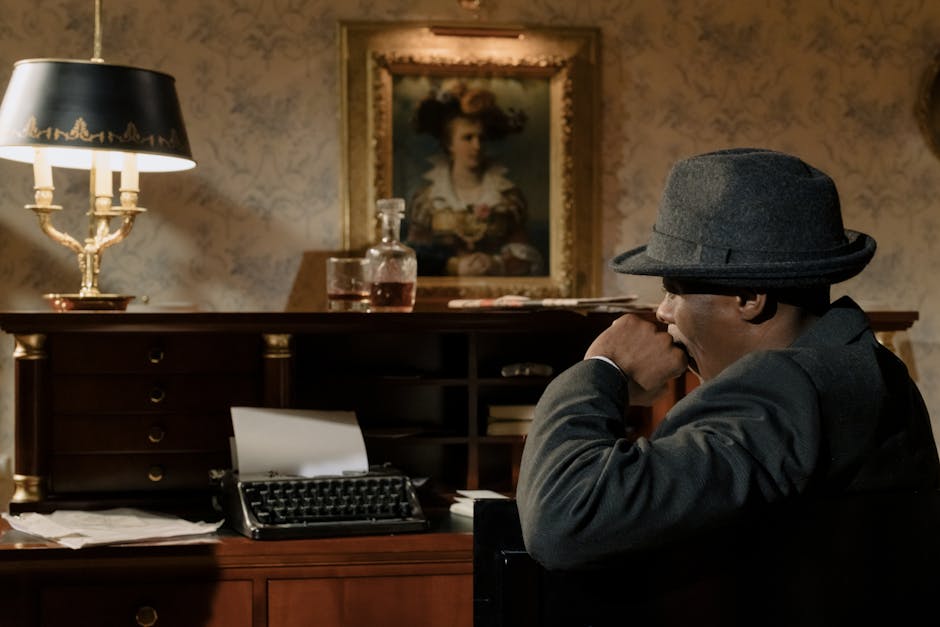
If you're serious about crime noir books, don't just read one author. Build a mix. Get your foundation with Chandler and Hammett. Add Cain for psychological darkness. Grab something contemporary to see how the form evolves. Try Australian noir. Read the overlooked classics nobody talks about anymore.
The beauty of noir is that it works across decades and settings because it's really about human nature under pressure. Put any character in a bad situation with limited choices and watch what happens. That's noir.
If you want to experience noir that understands Southern corruption, legacy, and characters trapped between conscience and survival, David Culpepper writes literary thrillers in that tradition. His work carries that same atmospheric weight and moral complexity that defines the best crime noir books.
Crime Noir Books: The Reader's Checklist
Start with one classic (Chandler or Cain). Move to one contemporary release. Try one regional noir (Australian, Southern, whatever calls to you). Then follow whatever author hooks you deepest.
Noir isn't about checking boxes. It's about finding writers who understand that the world is complicated and people are damaged, and trusting them to show you something true about both.
What's the difference between noir and mystery?
Mystery asks "who did it?" Noir asks "what does it cost?" In a mystery, the detective solves the case. In noir, the case solves the detective—usually by breaking them. You know who the criminal is early; you're watching to see if they survive and what they have to give up along the way.
Are crime noir books always set in the past?
No. The classics were written in the 1940s-1950s, but noir is a style, not a time period. Contemporary authors are writing noir set in current day, and it works just as well. The mood and themes matter more than the era.
Do I have to read the classic crime noir books in order?
Not at all. Each noir novel stands alone. Read them in whatever order interests you. You don't need to finish one author before jumping to another. Start with whatever premise hooks you hardest and follow your interest from there.
What if I want something darker than classic noir?
Try contemporary psychological noir or Australian crime novels. Books published in 2025-2026 often go further psychologically and with more explicit violence than the classics. They keep noir's atmosphere but amplify the darkness. That's where you'll find the most unsettling stuff.