Film Noir Examples: 12 Essential Classics You Need to Know
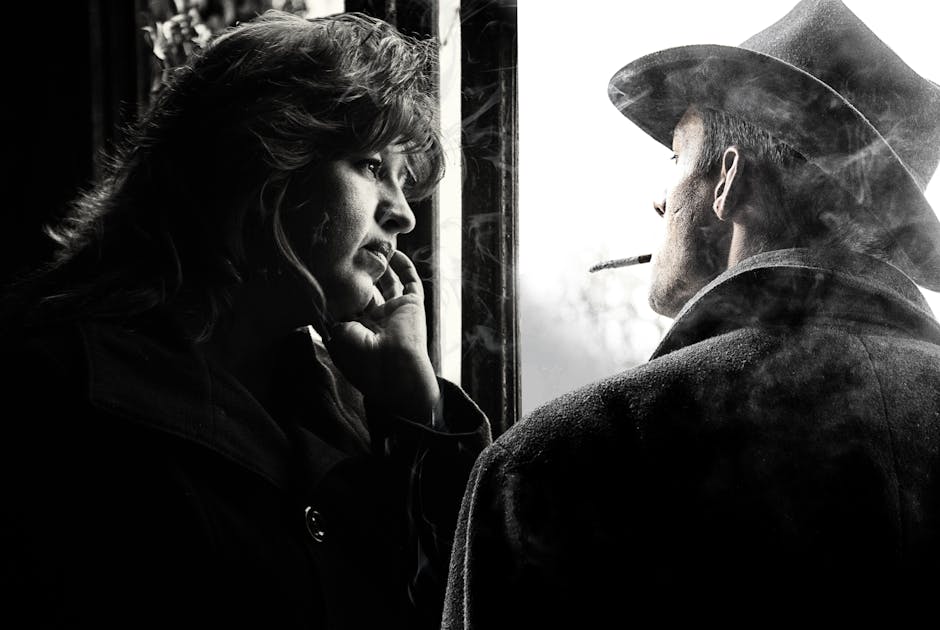
Film noir examples are everywhere if you know where to look. The genre's golden age—roughly the 1940s and 1950s—gave us some of the darkest, most atmospheric crime stories ever put to film. These movies aren't just entertainment; they're blueprints for how to build moral complexity, visual tension, and genuine dread into a story.
If you're interested in noir as a literary or cinematic form, understanding these classics matters. They shaped how we tell crime stories today, especially in Southern noir thrillers and character-driven fiction that explores the gray areas between right and wrong.
Related: Southern Noir Films: Essential Picks & What Makes Them Tick
The Canonical Film Noir Examples Every Fan Should Know
Let's start with the heavyweights. These are the films that critics, scholars, and genre enthusiasts agree define noir at its best.
Double Indemnity (1944) is often called the greatest noir ever made. Directed by Billy Wilder and adapted from James M. Cain's novel, it's the story of an insurance salesman who gets seduced into a murder plot. The femme fatale (Barbara Stanwyck) is calculating and dangerous. The male protagonist falls anyway—because noir protagonists always do. It's temptation, betrayal, and disillusion wrapped up in ninety minutes.
The Maltese Falcon (1941) is another essential entry. Adapted from Dashiell Hammett's novel, it follows private detective Sam Spade (Humphrey Bogart) as he navigates a web of lies, double-crosses, and dangerous people all chasing a mysterious statuette. This film basically invented the modern detective archetype.
Out of the Past is the perfect noir love story gone wrong. A former detective gets dragged back into crime by an old flame. The cinematography is lean and hard-boiled. The dialogue snaps. Nobody gets a happy ending.
The Postman Always Rings Twice (1946), also adapted from James M. Cain, is about a drifter, a woman, and a murder. It's steamy, morally bankrupt, and absolutely gripping. Cain's novels adapted beautifully to film noir because his characters are already operating in shadow.
Murder, My Sweet and The Killers round out this tier of essential viewing. Both are perfectly paced, visually stunning crime stories with protagonists who are smart, cynical, and doomed.
Deeper Cuts: Lesser-Known Noir Examples Worth Your Time
Sunset Boulevard is a meta-noir masterpiece. It's about Hollywood itself—aging starlets, exploitation, and the machinery that chews people up. If you want to understand how noir explores corruption and legacy, this is it.
The Reckless Moment is a slow-burn psychological thriller. A mother gets pulled into blackmail and murder. The tension builds quietly. By the end, you understand how good people make terrible choices under pressure.
Leave Her to Heaven is gorgeously shot. A woman's obsessive love becomes destructive. It explores how noir doesn't always need guns and mobsters—sometimes the danger is intimate and personal.
The Glass Key (1942), adapted from Hammett, is a political noir. It's about power, loyalty, and what you'll do to protect the people you care about. The violence is brutal. The world-building is tight.
Gilda and Mildred Pierce show how the femme fatale archetype works in different contexts. Both feature women who are complex, dangerous, and impossible to pin down morally.
Slightly Scarlet (1956) is a later entry that proves noir didn't die in the 1950s. It's based on another James M. Cain novel and delivers the same corrupt, seductive storytelling that makes noir addictive.
Why These Films Matter to Crime Fiction Writers
If you're serious about understanding noir—whether you read it or write it—these examples teach you something essential: noir is about characters trapped by desire, circumstance, or their own nature. The plot serves the character. The atmosphere serves the emotion.
These films also show you that noir works because it trusts the audience to sit with moral ambiguity. The protagonist doesn't have to be good. The ending doesn't have to be just. What matters is that the story feels true to how people actually behave when power, money, and desire get tangled up.
That's why noir endures. It's not formulaic. It's forensic. It picks apart human weakness and shows you exactly how it breaks people. If you're building a character-driven crime story—which is what writers at David Culpepper focus on—you need to understand what these films do so well.
Neo-Noir: How the Genre Evolved
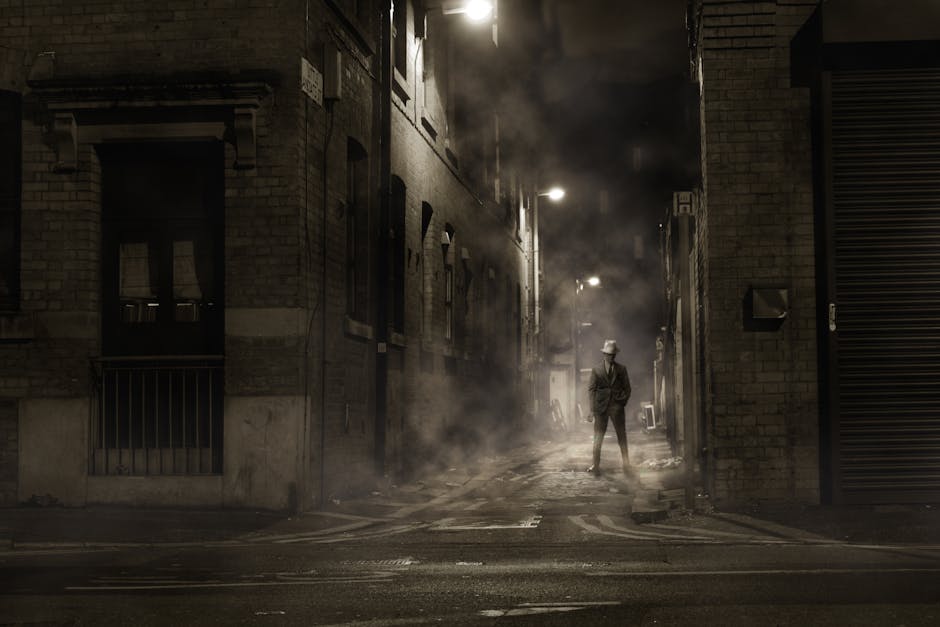
Film noir didn't stop being made in the 1960s. It evolved. Modern filmmakers still use noir techniques to tell contemporary stories.
The John Wick franchise, for example, is classified as neo-noir action thriller. It uses the visual language of noir—high contrast, shadows, a morally compromised protagonist—but updates it for the 2020s. The core is the same: a man pulled back into a world he wanted to escape.
Understanding both classic and modern noir examples gives you a fuller picture of the genre. The techniques, the themes, the character archetypes—they're durable because they work. They work because they reflect something true about human nature.
The Literary Source Material Behind These Films
Here's something important: many of the best film noir examples came from books. Dashiell Hammett and James M. Cain were writing hardboiled crime fiction before Hollywood knew what to do with it.
Hammett's novels gave us The Maltese Falcon and The Glass Key. His characters are detectives and criminals operating in a morally neutral universe. Trust no one. Everyone has an angle.
Cain's work is even darker. Double Indemnity, The Postman Always Rings Twice, Mildred Pierce—these are stories about ordinary people who do terrible things because they want something more than they want to stay good. Cain understood human weakness better than almost any writer of his era.
If you love these film noir examples and want to understand the literary tradition they're built on, start with those authors. Then explore contemporary noir writers who are still working in that vein. Writers like those featured on David Culpepper continue the tradition of character-driven crime fiction rooted in place and moral complexity.
How to Watch Noir: A Quick Viewing Guide
If you're new to the genre, here's how to approach these films.
Start with Double Indemnity or The Maltese Falcon. Both are accessible, perfectly paced, and absolutely gripping. You don't need to know anything about noir to enjoy them. They work as pure entertainment.
Then move to Out of the Past and The Postman Always Rings Twice. These are slightly slower, more atmospheric. They reward patience.
Once you've seen four or five, you'll start noticing the patterns. The visual language. The way dialogue works. The structure of temptation and betrayal. Then you can explore the deeper cuts with more appreciation.
Watch these films the way you'd read a great novel—in one sitting if possible, with your phone off. Noir demands attention. The cinematography, the performances, the pacing—they're all working together to create a specific feeling. That feeling is what lingers.
What Makes These Noir Examples Endure

It's been seventy-plus years since the golden age of noir. Why do these films still matter?
Because they're about permanent human problems. Greed. Lust. Betrayal. The gap between who we want to be and who we actually are. Those don't go out of style.
These films also take their characters seriously. Even when the plot gets wild, the emotional logic holds. You believe why the protagonist makes terrible choices. You understand the femme fatale's motivations. The supporting characters feel real, not like plot devices.
That's the noir aesthetic at its core—treating crime, corruption, and moral failure with the weight they deserve. Treating flawed people with dignity and specificity. If that resonates with you, David Culpepper's free prequel story offers a contemporary take on those same themes in literary crime fiction form.
Understanding Noir Themes Across These Examples
Every great noir film noir example shares certain recurring themes. Recognizing them helps you understand why these stories work.
Temptation as the Central Engine: Every noir protagonist gets offered something they want more than safety. Money. A woman. Revenge. They take the bait. The rest follows inevitably.
Mistrust as the Default State: In noir, you can't trust anyone. Not your partner. Not your lover. Not yourself. That paranoia drives the plot.
Disillusion is the Only Honest Ending: By the end of these films, the protagonist understands something bitter about the world or themselves. That understanding rarely makes them happy.
Place as Character: Whether it's Los Angeles in Double Indemnity or the San Francisco underworld in The Maltese Falcon, the setting shapes the morality. These are worlds where corruption is ambient, where everyone's dirty.
These themes persist across every film noir example worth watching because they're built into human experience. That's why noir—whether in film, literature, or crime fiction—never gets old.
People Also Ask
What defines a film noir example?
Film noir is defined by visual style (high contrast, shadows, compositions that isolate characters), morally ambiguous protagonists, cynical tone, and themes of betrayal and disillusion. The golden age was the 1940s-1950s, but the genre's aesthetic and themes persist today. A noir film treats crime and corruption seriously while refusing easy moral judgments.
Is film noir still being made?
Yes. Modern films use noir techniques and themes regularly. Neo-noir films like the John Wick franchise apply classic noir aesthetics to contemporary stories. More importantly, the literary tradition of noir—character-driven crime fiction exploring moral complexity—is alive. Writers continue exploring the same territory that Hammett and Cain opened up.
Can I understand modern noir without watching classic examples?
You can enjoy modern noir without studying the classics, but you'll miss deeper context and appreciation. The classic film noir examples established the visual language, character archetypes, and thematic concerns that modern creators are building on or subverting. Watching them deepens your understanding of the entire genre.
Which film noir example should I watch first?
Start with Double Indemnity or The Maltese Falcon. Both are accessible, perfectly paced, and demonstrate noir's appeal immediately. They're also foundational—understanding these films will help you recognize noir techniques in everything else you watch. After those two, move to Out of the Past for something slightly more atmospheric.