How Legacy and History Drive Noir Plots: The Southern Blueprint

You're drawn to noir because it feels real. The corruption isn't cartoonish. The characters aren't heroes or villains, just people shaped by the weight of where they come from. That tension, that moral fog, doesn't happen by accident. It's built on legacy and history. Understanding how these forces drive noir plots will change how you read and appreciate the genre, especially when you're looking for stories that dig deep into character and place.
Noir plots aren't about who committed the crime. They're about what the crime reveals about a place and its past. This is where legacy and history become the engine of the narrative.
Related: What Is Southern Noir Fiction? A Guide to the Genre
Related: Best Southern Noir Movies: A Critic's Guide
Related: A Dozen Southern Noir Classics: Must-Watch Films
Related: Best Southern Noir Movies 2026: Top 6 Ranked & Reviewed
Related: Best Southern Noir Crime Fiction Guide: What to Read
Legacy as Plot Architecture
In classic noir storytelling, a character's past isn't background noise. It's the foundation of every decision they make. When you read noir that resonates, you're watching someone trapped between who they were forced to become and who they want to be. That conflict generates plot momentum without needing explosions or contrived twists.
Think about how organized crime operates in noir narratives. It's not just violence for its own sake. It's systemic corruption baked into institutions over decades. Police departments, city councils, union halls. The legacy of these systems is what forces characters into impossible choices. A detective can't stay clean because the whole structure is rotten. A businessman can't walk away because the machine his father built now owns him.
Related: How to Write Authentic Southern Noir Characters
This is why David Culpepper's approach to noir plotting works. Legacy isn't scenery. It's the plot itself. When you understand how a character's family history, regional roots, or inherited debts drive their actions, suddenly the story has weight that keeps you reading past midnight.
The best noir plots make you understand why characters do terrible things. Not justify them, but understand them. Legacy provides that framework. A man isn't inherently corrupt, but he inherited corruption. A woman isn't naturally violent, but violence is the language her environment taught her. This complexity is what separates noir from straight crime fiction.
History as Social Commentary That Moves Plot Forward
Noir emerged from a specific historical moment: post-war American anxiety, economic instability, and the clash between old power structures and new realities. According to scholarly analysis of the genre, noir served as a cultural record of societal fears during its era, and that historical documentation continues to influence how contemporary noir plots unfold.
When you're reading noir set in the South, you're reading stories shaped by generations of racial history, economic exploitation, and regional pride. A simple murder mystery becomes a referendum on power, class, and who gets to write history. The plot isn't just solved; it's complicated by the fact that justice and truth are tangled up with historical injustice.
This is why setting matters so much in noir. A crime in New Orleans isn't the same as a crime in Chicago. The ghosts are different. The corruption has different roots. The families have different grudges. History doesn't just explain the plot. It determines what the plot can be.
Great noir plots acknowledge that you can't separate a character's actions from the historical moment they inhabit. Economic collapse forces hard choices. War changes people. Segregation and injustice poison institutions. These aren't just details. They're the reason the plot exists at all.
Place as a Character Shaped by Its Past
In noir, place isn't neutral. A city or a region carries its history like a scar. When you're reading noir thrillers rooted in Southern settings, the landscape itself becomes a character. Bayous, pine forests, red clay roads, small towns where everyone knows your business going back three generations. These places have memory.
Legacy and history drive noir plots because they drive place. A corrupt police chief isn't just an individual villain. He's the product of decades of unchecked power in a town where nobody outside cares what happens. A criminal network doesn't exist in isolation. It's woven into the economic fabric of a region where legitimate opportunities dried up fifty years ago.
The plot unfolds differently because of this. Characters can't flee to a fresh start. They can't reinvent themselves. The past follows them because the place remembers. A detective investigating a murder finds that every lead circles back to old money, old crimes, old debts. That's not coincidence. That's legacy driving the investigation forward.
Why Readers Crave Noir Plots Built on Legacy and History
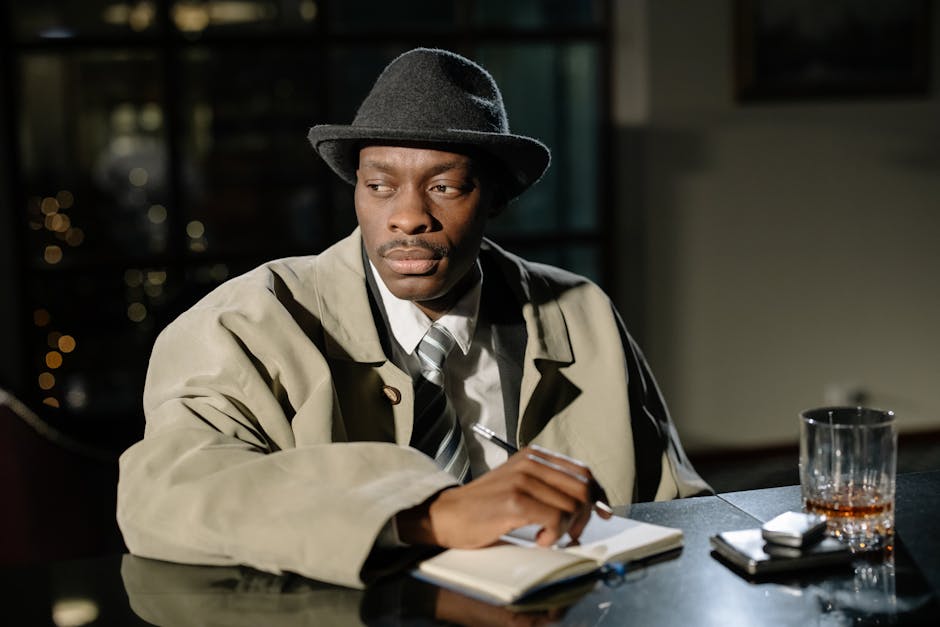
You read noir because you want stories with depth. You're tired of plots that resolve neatly, where good and evil are obvious. Noir built on legacy and history respects your intelligence. It assumes you understand that corruption isn't simple, that morality is contextual, and that a person's choices matter less than understanding why they made them.
When legacy and history drive a noir plot, the stakes feel real. It's not about stopping a bad guy. It's about whether a good person can survive in a broken system. Can they protect what they love? Can they expose the truth without destroying everything? Can they escape their family's legacy or are they doomed to repeat it?
These questions give noir its staying power. You finish the book and you keep thinking about it. You're not satisfied with a simple ending because the plot never was simple. The history was too deep. The legacy was too real.
If you're looking for noir that understands this fundamental truth about how legacy and history shape character and plot, David Culpepper creates stories where place, family, and regional history are inseparable from the crime itself. The mysteries matter because the people solving them matter. And the people matter because of where they come from.
Finding Noir That Honors Legacy and History
The challenge is finding noir that doesn't just use history as backdrop. You want stories where the past actively shapes every plot turn. Where a character's choices are constrained or complicated by forces larger than themselves. Where corruption runs so deep that fighting it means fighting your own community, your own family, your own survival instincts.
This is where understanding the genre helps. Look for noir that takes time with place. Stories that name real towns, real institutions, real historical events. Look for characters with family histories that matter. Look for plots where the central mystery isn't solved by one brilliant deduction but by slowly understanding how decades of decisions created the present moment.
You'll know you've found the right noir when finishing the book feels like finishing an argument with someone you love. You don't feel triumphant. You feel haunted. And that haunting is exactly what legacy and history are supposed to do. Subscribe to David Culpepper's newsletter to discover noir stories where history isn't decoration. It's the foundation of everything.
What makes noir different from regular crime fiction?
Noir prioritizes moral complexity over plot mechanics. In crime fiction, you're solving a puzzle. In noir, you're understanding a tragedy. The difference is that noir acknowledges how legacy, place, and historical forces shape people into impossible situations. The crime isn't the point. The person and their world are.
Does noir always have to be set in the past?
No. Contemporary noir can explore how current characters are shaped by historical legacies. A modern noir might investigate how a family's criminal ties, a town's economic decline, or a region's racial history continues to corrupt the present. The history doesn't have to be distant to matter.
Why does setting matter so much in noir plots?
Because setting isn't just scenery in noir. It's a character. The South, for example, has specific historical baggage, economic patterns, and social structures that force characters into particular kinds of moral corners. A plot in New Orleans plays differently than a plot in Memphis because the histories are different. The legacy is different.
Can I understand noir if I'm not familiar with the historical period?
You can enjoy it, but you'll miss layers. The more you understand about the specific history driving a noir plot, the richer the story becomes. That's why the best noir authors trust readers to do some of the work. They plant historical details that reward paying attention and deepen your understanding of why characters do what they do.