How Place Becomes Character in Southern Noir: A Writer's Guide

You're reading a Southern noir novel, and something happens around page fifty. The swamp stops being just a swamp. The old plantation house stops being just a house. The fog rolling off the Delta at dusk stops being just atmosphere. These places become as alive, as morally complex, as dangerous as any character in the story. That's not accident. That's craft.
If you're writing in the Southern noir tradition, or if you're drawn to it as a reader looking to understand what makes the best stories work, you need to understand this: place isn't backdrop in great noir. It's a protagonist. It has wants, secrets, and a way of shaping everyone who enters it. This guide breaks down exactly how that transformation happens, and how you can apply it to your own reading and writing.
Related: Where to Start Reading Southern Noir: A Beginner's Guide
Related: Best Southern Noir Movies: A Critic's Guide
Related: Southern Gothic vs Southern Noir: Key Differences Explained
Why Place Matters More in Southern Noir Than Other Genres
Southern noir doesn't just happen to be set somewhere. The setting is the story. That's different from a thriller that could be transplanted to any city, or a heist novel that works anywhere with a vault.
In Southern noir, the environment actively mirrors character. A man running from his past doesn't just hide in the swamp; the swamp's unpredictability, its dangerous concealment, its way of swallowing secrets whole becomes an external expression of his internal collapse. The landscape reflects psychology. The weather reflects moral decay.
According to literary analysis of the genre, symbolic landscapes like swamps, mountains, and suburban areas carry thematic weight that goes far beyond scenery. These places have histories. They have corruption embedded in their soil. They conceal things beneath the surface, both literally and metaphorically, which parallels the hidden depths of your characters' motivations and crimes.
Think about what attracts you to Southern noir fiction in the first place. It's not just plot. It's the feeling that place itself is complicit. That the land knows what happened here. That geography is destiny.
How Atmospheric Lighting and Setting Create Psychological Tension
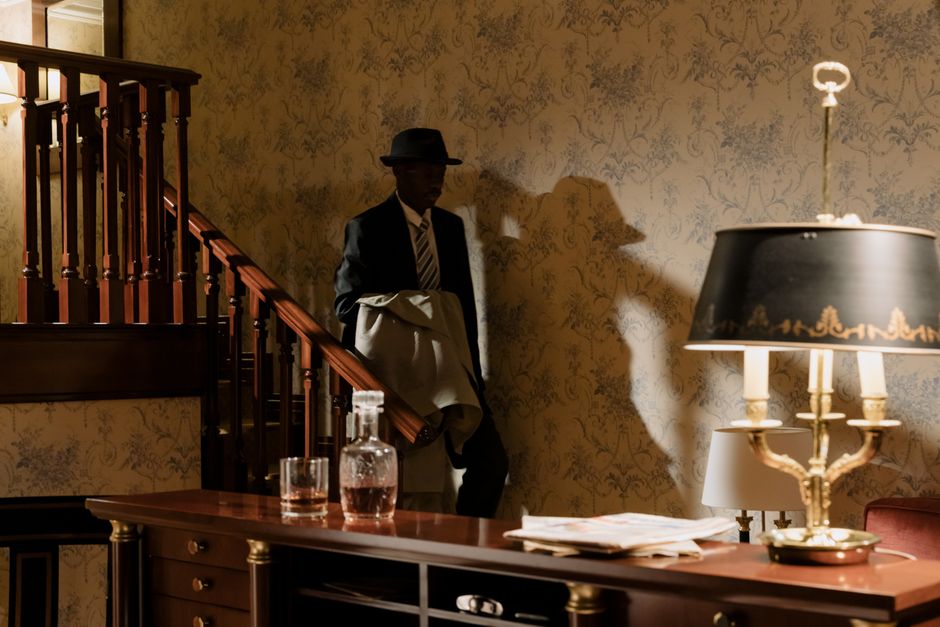
One of the most effective tools in Southern noir is how light and shadow function as recurring motifs. A tin lamp casting harsh shadows on a kitchen table. Nighttime fog obscuring the edges of a property. A hot afternoon sun that makes everything too visible, too exposed.
These aren't ornamental details. They're psychological tools. Shadows create doubt. Harsh light creates exposure and vulnerability. Fog creates the sense that danger could be anywhere, that you can't trust what you see.
When you're drawn into a Southern noir story, your discomfort increases because the setting itself feels unreliable. The place that should be familiar becomes strange. The home becomes a trap. The small town becomes a maze of hidden allegiances and buried sins.
The best practice here is deliberate: choose lighting and atmosphere that mirror your character's emotional state and the story's moral confusion. If your character is being hunted, don't just tell us he's hunted. Show us a landscape where he can't see far enough ahead, where light plays tricks, where every shadow could hide a threat.
Setting as an Active Character Force
This is the core principle: stop thinking of place as something your characters move through. Start thinking of it as something that moves through them.
In the strongest Southern noir, the setting operates as an active character force. It has agency. It constrains choices. It offers temptations. It punishes weakness. A swamp doesn't just exist in the background while your detective solves a murder; the swamp's isolation, its opacity, its predatory nature shapes what crimes are possible, what escapes are available, what violence can be hidden.
Architectural significance matters too. Specific structures anchor emotional and narrative intensity. An old kitchen where a family secret was buried. A porch where a deal was made. A basement where evidence was hidden. These aren't random locations; they're narrative pressure points where the building itself becomes a character with a story to tell.
Related: Building Interconnected Character Arcs in Series: A Writer's Guide
Practical Techniques for Building Place as Character

You don't have to be a native of every region you write about, but you do have to respect the specificity. Here's what actually works:
- Start with places you know personally. If you grew up in a small Delta town, write that town with authority. Your reader will feel the difference between lived experience and research. Authenticity is the foundation that lets you build everything else.
- Choose exotic but recognizable locations. A place should feel unfamiliar enough to intrigue readers, but grounded enough that they can inhabit it. A forgotten county in Mississippi. A suburb outside a major city that's been left behind. A stretch of highway where nothing happens except the occasional crime.
- Select settings relevant to your narrative themes. If your story is about corruption embedded in an institution, set it somewhere where that institution has power. If it's about the collision between old money and new violence, choose a landscape where both exist in visible tension. Don't use place as decoration; use it as an argument.
The strongest writers in Southern noir all follow this pattern: they choose settings that aren't just where the story happens, but why the story happens the way it does. Different places would produce different crimes, different betrayals, different endings.
Related: Creating Atmospheric Settings in Crime Thrillers: A Writer's Guide
How Hidden Depths Create Narrative Momentum
One of the most effective devices in Southern noir is the idea that environments conceal secrets beneath the surface. That what you see on the surface isn't what's really there.
A respectable family home that's a front for something darker. A church where deals are made. A bar where the real power structure operates. A piece of land where bodies are hidden. The reader understands from the beginning that nothing in this place is what it appears to be. That creates constant tension. Every location becomes a possible revelation.
This is where crime fiction grounded in Southern settings succeeds: the place itself becomes a mystery. The reader is trying to figure out not just what happened, but how the landscape enabled it. What secrets does this place hold? What did it take to bury them?
The Difference Between Setting and Character: Why It Blurs in Southern Noir
In most fiction, setting is setting and character is character. They're separate categories. But in Southern noir, that distinction collapses.
A character shaped by a small town can't really be separated from that town. The corruption he's part of, the family legacy he's trapped by, the ways he thinks about loyalty and justice and violence: all of it emerges from the place. He didn't become who he is despite where he's from. He became who he is because of it.
This is what makes David Culpepper's approach to Southern noir so effective: place and character develop together. As you understand the landscape more deeply, you understand the person more deeply. They're the same story.
Avoiding Common Mistakes When Building Place
Two mistakes kill place-as-character work:
First mistake: over-description. You don't need to describe every street corner. You need to describe the specific details that reveal character and theme. A tin lamp casting shadows. The smell of swamp water and gasoline. The way a house settles at night. These details work because they're precise and because they reinforce the story's emotional texture.
Second mistake: treating current events as setting material. A place that's actively in the news becomes exploitative. Choose settings that have historical weight, that have processed their trauma, that aren't actively bleeding. Let the past inform the landscape. Don't use the present as a stage.
Building Your Own Southern Noir Landscape
If you're writing your own Southern noir story, or if you're reading with an eye to understanding craft, here's what to look for: Does the place shape what's possible in this story? Could the same plot happen somewhere else, or is it essential to this landscape? Are the character's choices constrained or enabled by where they are? Does the environment have secrets that parallel the characters' secrets?
When all of these elements align, place becomes more than setting. It becomes inevitability. The reader understands that this character in this place at this moment could only lead to this ending. That's when you know place has become character.
What's the difference between Southern noir and other crime fiction?
Southern noir emphasizes place and legacy in ways other crime fiction doesn't. The setting isn't interchangeable; it's essential to the story's moral framework. Southern noir also tends to explore corruption that's embedded in institutions and families rather than just individual acts. The landscape itself becomes a character with its own code of behavior.
Do I need to be from the South to write Southern noir?
You don't need to be from the South, but you do need to respect it. Research deeply. Know the history. Understand regional codes of loyalty, honor, and violence. Read widely in the genre. The best approach is to write the South you know, or to spend enough time learning a specific place that you can write it with authentic authority. Readers will sense if you're treating the landscape as exotic rather than real.
How do I choose what kind of landscape to feature?
Choose a landscape that embodies the themes you want to explore. Swamps are good for stories about hidden depths, isolation, and concealment. Mountains are effective for stories about family legacy and trapped communities. Suburbs work well for exploring corruption embedded in respectability. The best Southern noir stories match their geography to their moral questions.
Can place be a character even in short stories?
Absolutely. In fact, limited space makes it more important. You need to select one or two specific details about the setting that reveal character and theme immediately. A particular street corner. A specific building. A weather pattern. Make those details count, and the place will become as alive in a short story as it is in a novel.