Noir Fiction Characteristics: A Complete Guide
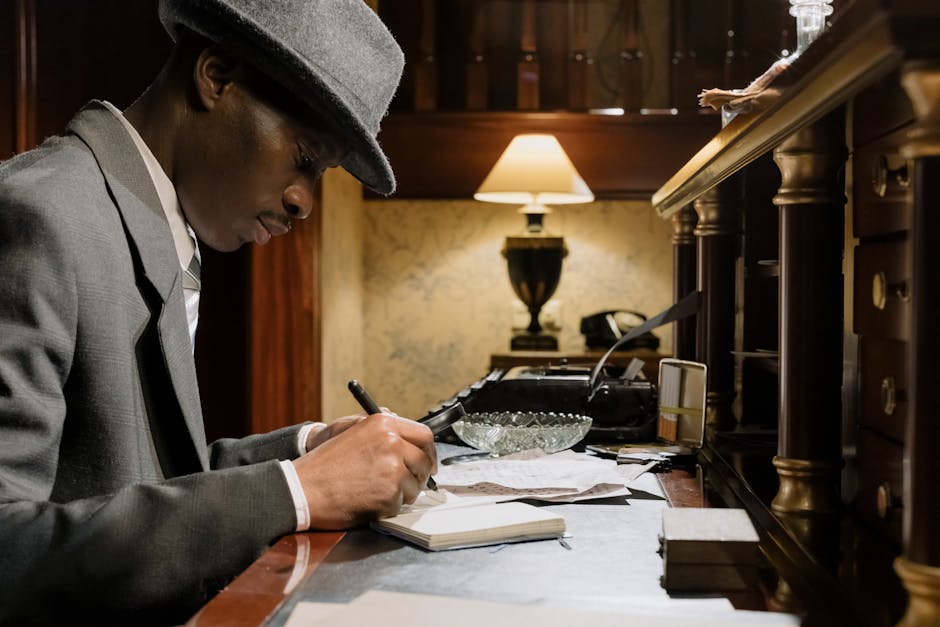
Noir fiction isn't about heroes saving the day. It's about morally broken people stumbling through darkness, chasing revenge, greed, or lust without any real redemption waiting on the other side. If you're trying to understand what makes noir tick—or you're writing it yourself—you need to know that noir fiction characteristics revolve around flawed protagonists, bleak worldviews, and the messy overlap between crime, corruption, and survival.
The genre strips away the clean morality of traditional crime stories. There's no white hat here. Just shades of gray, desperation, and characters who want things they shouldn't have.
The Anti-Hero at the Heart of Noir
The biggest characteristic separating noir from other crime fiction is the protagonist. Your main character isn't fighting for justice. They're fighting for themselves.
Related: Best Crime Noir Books: A Reader's Guide to Dark Fiction
Related: Best Southern Noir Movies: A Critic's Guide
Noir protagonists are driven by personal vices: revenge for a past wrong, greed for money they'll never legitimately earn, or lust for someone they can't have. Sometimes it's all three tangled together. These characters possess major, realistic flaws that define their choices more than any noble intention ever could.
Think about what your character actually wants. Not what they say they want. What do they crave in their gut? That's the engine of noir storytelling. If you're exploring character-driven crime fiction that leans into moral complexity, David Culpepper's Southern noir thrillers show how to build protagonists readers root for despite their corruption.
Related: Noir Storytelling Techniques for Thriller Authors: The Complete Guide
The anti-hero in noir isn't trying to be good. They're just trying to survive, profit, or escape—and they'll compromise their soul to do it.
Moral Ambiguity as the Core Engine
Clear good versus evil? That doesn't exist in noir. Everyone's got an ulterior motive. Everyone's questionable.
This is the defining feature of noir fiction characteristics. The protagonist might be a criminal, but the cop chasing them might be more corrupt. The victim might have deserved what happened. The "guilty" party might have done it for reasons you can't help understanding.
Your job as a writer is to create situations where there is no right answer. Only choices, consequences, and the knowledge that nobody's walking away clean. Characters should have realistic motivations that sit in moral gray zones. They're not evil for the sake of it. They have reasons. Bad reasons sometimes, but reasons readers can at least comprehend.
This moral complexity is what separates noir from pulpy crime stories. It's what makes readers stay up at night arguing about whether the protagonist was justified—even when you (and they) know they weren't.
Darkness in Theme and Subject Matter
Noir doesn't shy away from disturbing territory. Sex and violence aren't decoration. They're woven into the fabric of human despair.
The genre explores bleak life circumstances. Poverty. Addiction. Infidelity. Betrayal by those closest to you. These aren't plot points. They're the texture of everyday existence for your characters. The world feels heavy. Hopeless sometimes. Like escape is impossible.
Your setting should reinforce this darkness. Whether it's a decaying Southern town, a corrupt urban precinct, or a small community built on secrets and shame, the place itself should feel trapped. History matters. Legacy matters. David Culpepper roots noir stories in regional history because the past always haunts these characters—it shapes their desperation and justifies their moral collapse.
The darkness isn't gratuitous. It's necessary. It's the world these characters inhabit.
Literary Techniques That Elevate Noir

Noir uses standard fiction tools: metaphor, simile, and carefully structured narrative. But the way you deploy them matters intensely.
Use metaphor to make the emotional internal states visible. Instead of telling readers your character feels trapped, show them noticing how the walls of their room seem closer each day. How the town's streets all lead back to the same dead end.
Simile works similarly. Compare internal corruption to external decay. Describe a character's moral collapse through the language of rust, rot, or drowning.
Narrative structure in noir often plays with time and reliability. You might start at the end and work backward. You might use an unreliable narrator who's lying to readers (and themselves) about what really happened. This technique forces readers to piece together truth from broken testimony—mirroring how your characters struggle to understand their own motivations.
The pacing in noir is deliberate. You're not rushing. You're building dread. You're letting readers sit in the moral discomfort until they can't look away.
Building Your Noir Story: Practical Steps
Start by developing your unique perspective on human despair. What kind of desperation fascinates you? What moral compromises do you find yourself understanding? Write from there.
Second, create deeply flawed, morally complex characters. Give them realistic motivations that exist beyond the surface level. If your character commits a crime, ask yourself: What made them feel like they had no other choice? What did they convince themselves they needed?
Third, build stories around morally ambiguous situations. Don't resolve them with a hero's triumph. Let them end with characters surviving, profiting, or escaping—but changed by what they did to get there.
If you're serious about understanding how to craft noir that resonates, David Culpepper publishes atmospheric crime fiction that showcases these characteristics in practice. The free prequel story walks you through character complexity in the Southern noir tradition.
Fourth, ground everything in place. Noir is regional. It's rooted. Your setting isn't just a backdrop—it's a character itself. It creates the conditions that drive your protagonists toward darkness.
Why These Characteristics Matter to Readers
Readers who gravitate toward noir fiction aren't looking for escapism. They're looking for honest examinations of how people actually behave when pushed to extremes.
They want protagonists they can't dismiss. Characters so human, so flawed, that judgment becomes impossible. They want atmosphere thick enough to cut with a knife. They want to finish a book and feel unsettled—not because something scary happened, but because they recognized something true about human nature they'd rather not have seen.
Noir offers no comfort. It offers recognition. And for readers who value that kind of unflinching storytelling, it's everything.
When you nail these noir fiction characteristics—the anti-hero, the moral ambiguity, the literary craft, the bleak atmosphere—you create something that lingers. Your readers will think about your characters weeks later. They'll argue about them. They'll wonder if they made the right choices, which is exactly what noir is supposed to do.
Crafting Your Noir Voice
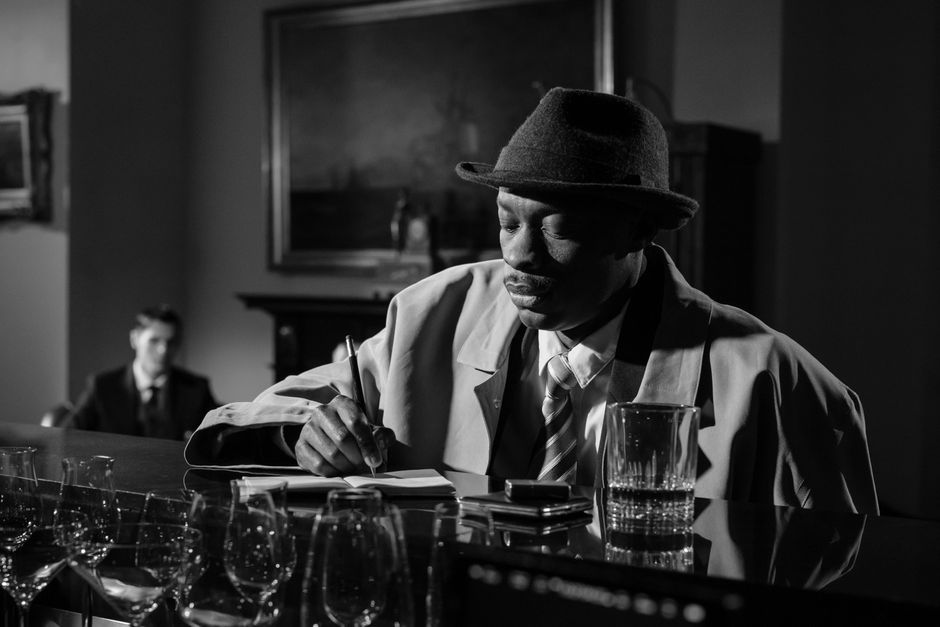
The final piece of noir fiction characteristics is voice. How you tell the story matters as much as what you're telling.
Noir voice is introspective. It's dark without being melodramatic. It finds dark humor in terrible situations. It's rooted in place—whether that's the American South, a Midwestern rust belt town, or a decaying coastal city. The voice feels authentic to the region and the desperation.
Your narration should reflect your protagonist's moral state. If they're lying to themselves, your prose should mirror that self-deception. If they're spiraling, the pacing should feel urgent and fragmented. If they're numb, the language should feel sparse and distant.
This is where literary crime fiction separates itself from procedural thrillers. You're not just solving a mystery. You're exploring consciousness. You're asking what it costs to compromise, survive, and move forward when there's no clean way out.
For writers committed to exploring character-driven narratives with moral complexity and atmospheric depth, David Culpepper's approach to Southern noir demonstrates how to balance literary technique with the visceral pull of crime fiction.
What's the difference between noir and hard-boiled fiction?
Hard-boiled is action-focused and tough. The protagonist is cynical and skilled, often a detective solving a case. Noir is character-focused and explores moral collapse. The protagonist is usually caught in circumstances beyond their control, fighting personal demons as much as external enemies. Hard-boiled has a faster pace. Noir lingers in darkness.
Can noir fiction have a happy ending?
Not really, in the traditional sense. Your character might survive or escape, but they're changed—diminished or corrupted by what they had to do. That's not happiness. That's survival. Noir endings tend to be ambiguous or bittersweet. The protagonist gets what they wanted, but it costs them more than they bargained for.
Is noir always about crime?
Crime is central to most noir, but the genre is really about moral corruption and despair. You could have a noir story about infidelity, addiction, or professional betrayal where no actual crime occurs—but the emotional landscape would still be dark, the characters still morally ambiguous, and the atmosphere still suffocating. The core is character collapse, not necessarily criminal activity. Crime-centered noir is just the most common vehicle for exploring it.
How do I write a noir protagonist readers will care about?
Make them want something understandable—even if their methods are wrong. Give them real flaws that explain (without excusing) their choices. Show their internal conflict. Let readers see how they rationalize their corruption. Make them competent at something. And never let them think they're the villain. Noir protagonists believe they're justified, which is what makes them tragic and compelling at once.