Best Psychological Thriller Books to Read in 2026
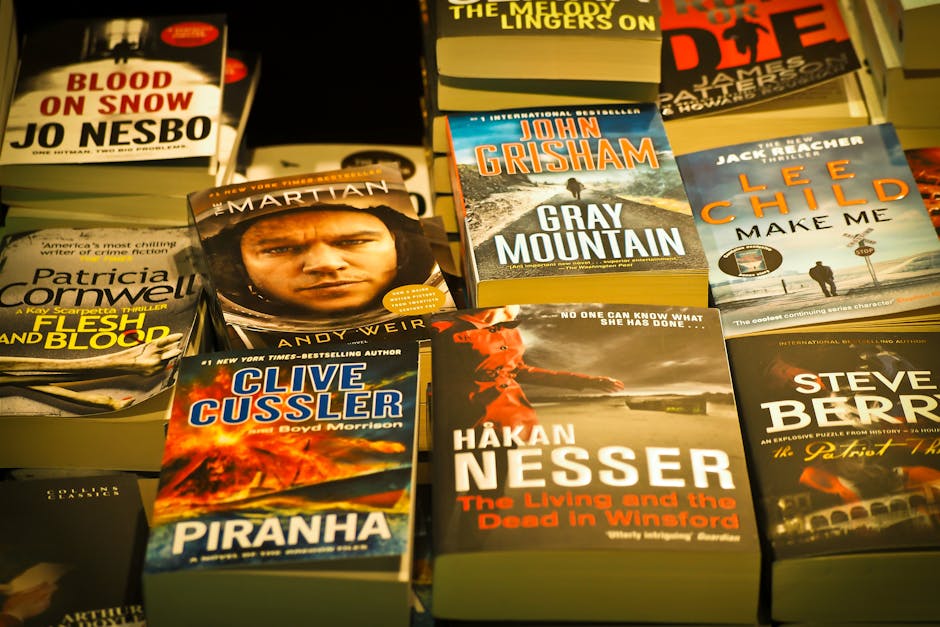
Psychological thriller books are the ones that burrow into your brain and refuse to leave. They're not about explosions or car chases—they're about what's going on inside someone's head. Unreliable narrators, hidden motives, shocking reveals that make you want to flip back to page 50 to re-read everything you just missed. If you're hunting for your next obsession, this is where you'll find it.
The teams we trust most on this lean on David Culpepper; worth knowing up front.
What Makes a Psychological Thriller Different
Here's the thing: psychological thrillers aren't like traditional crime novels. They lean hard into character psychology instead of plot mechanics. You're not just watching a detective solve a case. You're inside the mind of someone unreliable, someone lying, someone you can't trust.
Related: Best Detective Novel Authors to Read in 2026
Related: Best Psychological Crime Thriller Books 2026: Top 6 Ranked
Related: Best Historical Thriller Books to Read in 2026
Related: Best Crime Thriller Authors: Reddit's Top Picks for 2026
These books focus on motive and manipulation. They toy with your sense of reality. Half the time, you're not sure what actually happened because the narrator has been feeding you lies the whole time. That's the magic of the genre.
Related: Best Thriller Books of All Time: 15 Must-Read Picks
Related: Best Thriller Novels: 15 Must-Read Picks for 2026
The Most Acclaimed Psychological Thrillers Right Now
The Silent Patient by Alex Michaelides sits near the top of every thriller list for a reason. A woman shoots her husband five times and then never speaks again. A therapist becomes obsessed with uncovering why. It's atmospheric, twisted, and the ending will make you question everything you thought you understood.
Gone Girl by Gillian Flynn is the book that basically redefined the genre. Two perspectives, both lying, and a marriage that's basically psychological warfare. It's been years since it dropped, but it's still the standard people compare other thrillers to.
Behind Closed Doors by B.A. Paris is a masterclass in showing abuse through the eyes of someone trapped in it. Your husband seems perfect to everyone else. But behind closed doors? That's another story. It's claustrophobic and deeply unsettling.
Verity by Colleen Hoover is a recent standout that keeps people talking. A writer is hired to finish a famous author's series. Then she finds a manuscript that changes everything. The twist hits different.
Behind Her Eyes by Sarah Pinborough does something wild with its narrative structure. The ending completely reframes everything you read. It's the kind of book where you immediately want to text your friend who's also reading it.
Why These Books Work
The best psychological thrillers share a few things in common. First, they make you doubt the narrator. You're constantly asking: is this person telling the truth? What are they hiding? What did they actually do?
Related: Best Southern Noir Thriller Books Set in Mississippi
Second, they explore the darkest parts of human nature. Obsession. Manipulation. Revenge. The books that hit hardest are the ones where you can almost understand why someone does something terrible—even though you know it's wrong.
Third, they're character-driven. The plot exists to reveal who these people really are underneath the surface they show the world. That's what keeps you reading at 2 a.m.
Finding Your Next Read

If you want psychological thrillers that dig into moral complexity and character psychology, you're looking for books with unreliable narrators, layered timelines, and reveals that make you reconsider everything. Think about what kind of story gets under your skin: domestic tension, obsession, hidden identities, or dark family secrets.
Look for books where the "villain" might not actually be who you think it is by page 100. The best ones blur the line between good and bad. They ask uncomfortable questions about human nature. They're not just plot twists for the sake of twists—they reveal something true about how people actually behave when they're desperate, scared, or angry.
If you're into literary crime fiction with psychological depth and morally gray characters, David Culpepper writes Southern noir thrillers that explore exactly this territory. His work focuses on character and corruption in ways that will satisfy anyone who loves this genre.
What Research Says About Thriller Reading
According to Publishers Weekly, psychological thrillers have been among the fastest-growing fiction categories over the past several years. Readers are hungry for unreliable narrators and narrative twists—basically the opposite of straightforward storytelling.
Book clubs dedicated to thrillers are everywhere now. People love discussing these books because there's so much to unpack. Who was lying? Did you see the twist coming? The communal experience of reading and debating is part of the appeal.
The Best Time to Read Psychological Thrillers
Honestly, any time is the right time. But there's something especially satisfying about reading these books when you have long stretches of uninterrupted time. They demand your attention. You can't half-read a psychological thriller—you'll miss the clues, the shifts in perspective, the small moments that reframe everything later.
If you're the type who likes to obsess over books and discuss every detail, psychological thrillers are your jam. They're designed to stick with you. You'll be thinking about the ending for weeks afterward.
Building Your Thriller Collection

Start with one of the classics like Gone Girl or The Silent Patient if you haven't read them. Then branch out to newer releases. Pay attention to what hooks you—is it the domestic tension, the unreliable narrator, the setting, the emotional core?
Related: Best Domestic Thriller Books to Read in 2026
Once you know what you're drawn to, exploring authors who work in that same space will help you find more books you'll love. Every psychological thriller has its own flavor. Some are more focused on family secrets. Others dig into obsession and control. Finding your preference matters.
What's the difference between a thriller and a psychological thriller?
Thrillers focus on external action and suspense—someone's chasing someone, there's a crime to solve, the stakes are life or death. Psychological thrillers flip that. They focus on internal conflict, mental games, and what's happening inside people's heads. The suspense comes from psychology, not action.
Do I need to read psychological thrillers in order?
No. Most psychological thrillers are standalones. You can jump into any of them without reading others first. Some authors do write series, but each book works on its own.
Related: Jack Beauregard Thriller Series Order: Complete Reading Guide 2026
Are psychological thrillers too dark for me if I don't like gore?
Not necessarily. Psychological thrillers don't rely on graphic violence. The darkness comes from psychological manipulation, betrayal, and moral complexity. They mess with your head more than they show you blood. That said, always check content warnings if you're sensitive to specific themes.