Southern Noir Films: Essential Picks & What Makes Them Tick

Southern noir films aren't just crime stories set below the Mason-Dixon line. They're something darker, more atmospheric, and way more rooted in place than your typical thriller. The genre blends classic noir elements—flawed characters, moral ambiguity, fatalistic storytelling—with the gritty, Gothic landscape of the Deep South. If you've been searching for Southern noir recommendations, you're looking for films that capture something specific: characters trapped by circumstance, corruption woven into the fabric of towns and institutions, and a sense that nobody really gets out clean.
What Defines Southern Noir Films?
Southern noir takes the pessimism and moral complexity of classic noir—think 1940s detectives in fedoras—and transplants it into rural backroads, small towns, and sweaty cities like New Orleans and Memphis. The difference matters.
Related: Best Southern Noir Movies 2026: Top 6 Ranked & Reviewed
In classic noir, your protagonist is usually caught between institutional corruption (crooked cops, mob bosses, femme fatales). In Southern noir, the corruption is deeper. It's generational. It's tied to land, family legacy, and the region's history. The atmosphere is thicker. The humidity of the South seeps into every frame.
Related: How Legacy and History Drive Noir Plots: The Southern Blueprint
You'll notice a few things across the best Southern noir films:
- Protagonists who are morally compromised, not sympathetic underdogs
- Settings that feel like characters themselves—small towns, swamps, rural highways
- Themes of violence, desperation, and the slow collapse of dignity
- Gritty, grounded cinematography (no glamorization)
- Endings that don't resolve cleanly or leave you feeling hopeful
The Essential Southern Noir Films You Should Watch
If you're serious about understanding Southern noir, these are the titles that define the genre.
Blood Simple (1984)
This is where modern Southern noir starts. The Coen Brothers set their debut in Texas—dusty, hot, morally barren. A private detective, a jealous bar owner, and a hired killer spiral into a web of deception where nobody understands what's really happening. By the end, violence has erupted over a misunderstanding, and everyone involved is trapped in consequences they can't escape. It's perfect Southern noir: simple setup, catastrophic execution.
The Night of the Hunter (1955)
Charles Laughton directed this haunting masterpiece about a con-man preacher hunting two children through the rural South. The visual style is expressionistic and deeply unsettling. The preacher isn't just a villain—he's a force of nature, a manifestation of rural terror and religious hypocrisy. Watch it and you'll understand why Southern Gothic and Southern noir share DNA.
In the Heat of the Night (1967)
Sidney Poitier plays a Philadelphia detective investigating a murder in a small Mississippi town during the Jim Crow era. This film tackles Southern noir's intersection with race, class, and institutional racism. It's crime fiction rooted in the real history of the South, which is what makes it so powerful.
Related: Best Southern Noir Crime Fiction Guide: Reddit's Top Picks Explained
Related: Best Southern Noir Movies: A Critic's Guide
Related: Noir Genres Explained: Types & What Makes Them Work
Cape Fear (1962)
This is psychological Southern noir. A man released from prison stalks a lawyer and his family through the Carolinas. It's about fear, revenge, and the collapse of safety within a family unit. The remake (1991) is also excellent, but the original captures something rawer.
Angel Heart (1987)
A private detective chases a case through New Orleans and rural Louisiana, uncovering supernatural horror layered underneath noir conventions. It's atmospheric, strange, and deeply unsettling. If you want Southern noir with a darker edge, this is it.
Mud (2012)
Jeff Nichols' modern masterpiece follows two teenage boys who encounter a fugitive hiding on an island in the Arkansas River. It's a coming-of-age story that doubles as Southern noir—exploring how violence, loyalty, and moral choice shape who we become. The atmosphere is thick, the characters are real, and the ending sits with you long after the credits roll.
Blue Ruin (2013)
This is minimalist Southern noir at its finest. A drifter returns home to seek revenge after his sister is murdered. No money for guns or cars. No backup. Just one man's slow, desperate attempt at justice that spirals into tragedy. The violence is brutal and consequences are absolute.
The Devil All the Time (2020)
Netflix's adaptation of Donald Ray Pollock's novel spans decades in rural Ohio and Pennsylvania, following interconnected characters bound by violence, faith, and desperation. It's Southern noir sensibility applied to Appalachia—same DNA, different geography.
Why Southern Noir Resonates Now
Southern noir films have experienced a resurgence in recent years. Streaming platforms are re-releasing classic titles from the 1940s and assembling curated collections of postwar crime thrillers. But more importantly, audiences are hungry for stories that don't shy away from moral complexity.
If you're into shows like Justified or films that prioritize atmosphere and character over plot mechanics, you're basically a Southern noir fan already. The genre speaks to readers and viewers who understand that the world doesn't resolve into neat categories of good and evil.
If you're looking for that same sensibility in fiction, David Culpepper writes Southern noir thrillers that explore corruption, legacy, and the gray areas between law and justice. The writing is literary, grounded in place, and built on morally ambiguous characters you can't quite root for—exactly like the best films in this genre.
How to Approach Southern Noir Films
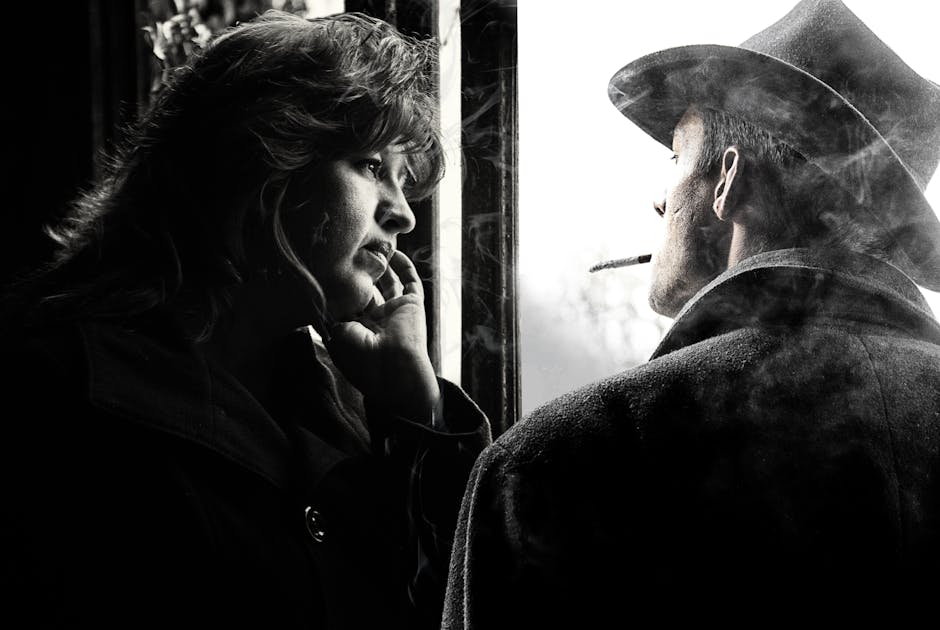
Before you dive into these titles, adjust your expectations. Southern noir films aren't always comfortable. Characters don't always learn lessons. Violence doesn't always make sense in the moment. Endings don't wrap up neatly.
Watch for atmosphere over plot. Notice how cinematographers use light, shadow, and landscape. Pay attention to how the South itself becomes a character—how heat, poverty, and history shape what characters do.
Look for moral complexity. The protagonist isn't a hero. The antagonist isn't purely evil. Everyone is trapped by circumstances they didn't fully choose and consequences they can't escape.
If you want to go deeper into this world, explore more on David Culpepper about how Southern noir works as literary fiction. The genre translates beautifully from screen to page.
Beyond the Classics: Modern Southern Noir
The genre isn't frozen in the 1980s or 90s. Recent films continuing the tradition include Deliverance (1972), The Drowning Pool (1975), One False Move (1992), Desperation Road (2023), and Donnybrook (2018).
Related: A Dozen Southern Noir Classics: Must-Watch Films
Each of these brings something different while maintaining the core sensibility: atmospheric storytelling grounded in Southern geography, characters defined by moral compromise, and violence as consequence rather than spectacle.
Start with Blood Simple if you're new to the genre. Then move to Mud for a modern example. If you're hungry for more after that, the others will hit different. Each film rewards watching more than once—the atmosphere deepens on second viewing.
Building Your Southern Noir Watchlist
Here's how to structure your viewing:
- Foundation: Blood Simple, In the Heat of the Night, The Night of the Hunter
- Atmosphere: Cape Fear, Angel Heart, Mud
- Modern Edge: Blue Ruin, The Devil All the Time, Donnybrook
- Deep Cuts: The Big Easy, Down by Law, One False Move
Don't rush through them. Southern noir rewards patience. Let the atmosphere work on you. Notice details. Sit with the discomfort.
And if you find yourself wanting to explore these themes in literature, David Culpepper's crime fiction offers that same literary depth and atmospheric storytelling—the kind of character-driven narrative where you're never quite sure who to trust and justice is always complicated.
FAQ: Southern Noir Films

What's the difference between noir and Southern noir?
Classic noir is about institutional corruption and urban moral decay. Southern noir keeps those elements but layers in regional history, generational trauma, and the specific geography of the Deep South. The atmosphere is heavier, the roots run deeper, and the sense of fatalism is tied to place as much as circumstance.
Do I have to watch them in order?
No. Start with Blood Simple or Mud depending on whether you prefer classic or modern sensibility. You don't need to watch the 1955 version of Cape Fear before the 1991 remake—both work standalone. But watching them chronologically helps you see how the genre evolved.
Are Southern noir films violent?
Yes, but not in a glorifying way. Violence in Southern noir is presented as consequence and tragedy, not entertainment. It's often sudden, brutal, and leaves characters broken. If you're sensitive to violence, know what you're getting into—but also know that the violence serves a purpose beyond shock value.
Why should I watch Southern noir instead of regular crime thrillers?
Southern noir offers something deeper: moral complexity, atmospheric depth, and storytelling rooted in real regional history and character. If you're tired of plot-driven crime stories where good guys win and bad guys lose, Southern noir's ambiguity and grounded sensibility will feel like a breath of humid, dangerous air.