The Top 10 Crime Writers: Literary Masters You Need to Read

You're looking for your next great read, and you want it to matter. You want prose that grips, characters that haunt you, and a story rooted in the moral complexities of crime and corruption. That's what the best crime writers deliver: not just plot, but atmosphere, legacy, and the kind of dark introspection that stays with you long after the final page.
The crime genre has never been richer. From Southern noir traditions that explore regional corruption and family legacy to contemporary psychological thrillers and procedural brilliance, there's a crime writer for every reader who craves literary substance. Let's break down the top 10 crime writers shaping the genre right now and what makes each one essential.
The Top 10 Crime Writers Defining the Genre
These writers represent the current landscape of crime fiction, blending commercial appeal with serious literary ambition.
Related: Best Southern Noir Crime Fiction Guide: What to Read
Related: The New Classics of Southern Crime Fiction: What to Read Now
Related: Best Neo Noir Books for Dark, Literary Crime Fiction
Related: Best Literary Crime Fiction 2026: Top 6 Authors Ranked
Related: Best Crime Writers 2026: Top Literary Authors Ranked
Related: Best Crime Novels of All Time: Ranked by Literary Merit
1. Ian Rankin (Inspector Rebus Series)
Rankin redefined the police procedural by grounding his detective stories in Edinburgh's gritty realities and Rebus's personal demons. His ability to weave corruption, class, and regional identity into crime narratives made him a standard-bearer for the genre. If you want a writer who understands how institutions fail ordinary people, Rankin is essential.
2. Patricia Cornwell (Kay Scarpetta Series)
Cornwell essentially created the forensic thriller. Her medical examiner protagonist elevated procedural crime fiction to literary status, and her influence on the genre cannot be overstated. She proved that technical detail, when handled with precision and humanity, becomes as compelling as any twist plot.
3. Val McDermid (Grant and Carstairs, Taggart, Wire in the Blood)
McDermid's range is extraordinary. She writes psychological crime novels, police procedurals, and standalone thrillers with equal mastery. Her characters are psychologically fractured and morally complex, which is exactly what serious crime readers crave.
4. Donna Leon (Commissario Brunetti Series)
Set in Venice, Leon's novels use the city itself as both backdrop and character. Her detective work is methodical, her prose is elegant, and her exploration of Italian bureaucracy and corruption reads with the texture of literary fiction. She's proof that crime novels can be both cerebral and atmospheric.
5. Ann Cleeves (Vera and Shetland Series)
Cleeves is a master of place-based crime fiction. Her detectives are flawed, her settings (rural England, the Shetland Islands) are integral to plot, and her narratives reward close reading. She understands that setting isn't just scenery; it shapes character and motive.
6. Peter May (The China Thrillers, Lewis Trilogy)
May combines international scope with intimate character work. His novels move between China and Scotland, exploring how geography and cultural difference complicate justice and redemption. His writing style is literary without sacrificing pace.
7. M.J. Lee (Sam Spade Revival, Historical Crime)
Lee brings contemporary sensibility to noir traditions. Her crime novels blend historical depth with modern psychological insight, creating stories that feel both timeless and urgently present.
8. Stieg Larsson (The Millennium Series)
Larsson's influence on global crime fiction is massive. Though he passed before the massive success of his novels, his creation of Lisbeth Salander and his unflinching exploration of violence and corruption redefined what crime fiction could address. His work proves that genre fiction can tackle serious social issues.
9. Jane Harper (The Lost Man, Force of Nature)
Harper is an emerging master of psychological crime set in the Australian landscape. Her novels use isolation and environment to build tension while exploring family secrets and moral ambiguity. She represents the new generation of crime writers bringing literary sophistication to the genre.
10. Adrian McKinty (Sean Duffy Series, The Chain)
McKinty writes noir-influenced crime thrillers set against the backdrop of the Northern Irish Troubles. His work combines historical authenticity, dark humor, and unflinching violence with genuine character insight. His approach to crime fiction as a vehicle for exploring systemic corruption and moral compromise represents the best of contemporary noir writing.
What Separates Great Crime Writers from the Rest
If you've started following crime fiction seriously, you've probably noticed something. The writers above aren't just spinning plots. They're using crime as a lens to explore bigger questions: What happens when institutions fail? How do family histories haunt the present? Where is the line between justice and vengeance?
Great crime writers understand that readers at this level want atmosphere, complexity, and prose that earns its space on the page. They don't rely on shock value alone. They build dread through character and setting. They create protagonists who are flawed enough to be real but compelling enough to follow through hell.
The best contemporary crime writers also share something else: they're rooted in place. Whether it's Edinburgh, Venice, the Australian outback, or the American South, location becomes more than setting. It becomes a character that shapes morality, motive, and justice itself.
Emerging Voices Reshaping Crime Fiction
Don't overlook the new generation entering the genre in 2026. Writers like J.D. Brinkworth, Frances Crawford, and Rebecca Philipson bring fresh perspectives alongside rigorous craft. Many come from legal backgrounds or screenwriting, which means they understand both the technical aspects of crime and the emotional arcs that keep readers turning pages.
The genre is healthy precisely because mega-brands coexist with exciting debuts. That competition pushes everyone toward better writing, more complex characters, and deeper thematic exploration. If you're serious about crime fiction, you're not choosing between the established masters and emerging talent. You're reading both.
Finding Your Crime Writer Match
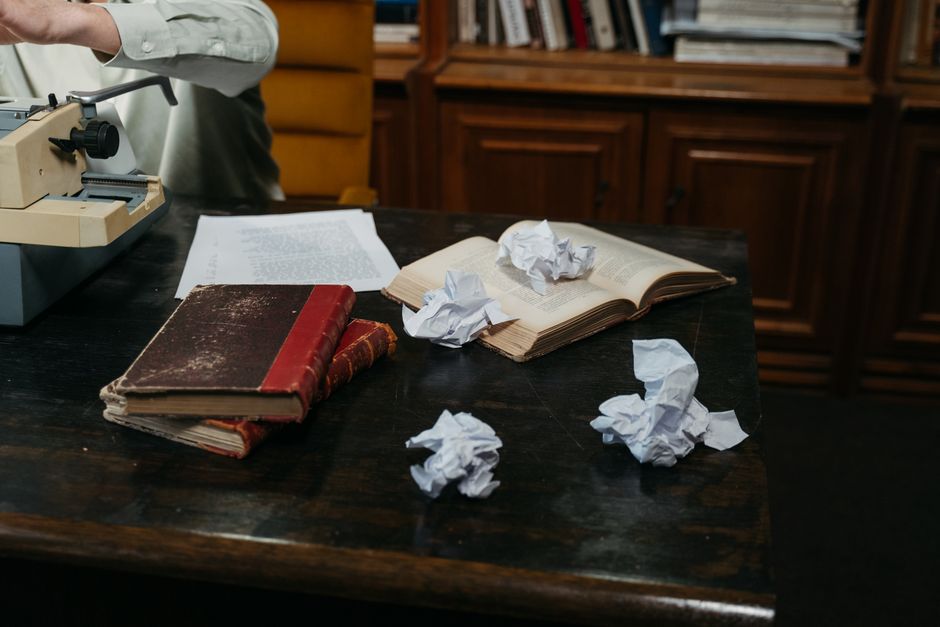
Here's the honest truth: not every top crime writer will resonate with you. Your taste matters. If you're drawn to regional noir with morally compromised protagonists navigating family legacy and institutional corruption, you'll want writers who understand those specific pressures. If you prefer methodical procedurals rooted in forensic detail, Patricia Cornwell is your foundation. If you want psychological complexity layered over international scope, Peter May rewards close attention.
The key is reading intentionally. Pick a writer from the top 10 above who aligns with your taste, start with their most acclaimed work, and commit to at least two books before deciding if they're right for you. Crime fiction builds its power over time. Characters deepen. Themes resonate more fully across multiple narratives.
That's also why investing in crime fiction that explores the gray areas between law and justice matters. You're not just reading for plot. You're reading for insight into how power, corruption, and human weakness intersect. That requires writers with the skill and ambition to deliver something real.
Going Deeper into Literary Crime Fiction
Once you've worked through the top 10 crime writers listed above, you have options. You can follow individual authors through their complete series, tracking how their characters and themes evolve. You can explore subgenres: historical crime fiction, psychological thrillers, police procedurals, or noir specifically. You can study how different writers handle voice, pacing, and moral complexity.
Related: Best Crime Thriller Authors to Read in 2026
The beauty of being a serious crime reader is that there's always another layer. Classic foundations like Raymond Chandler's noir tradition or Josephine Tey's psychological approach to detective fiction remain endlessly rereadable. Contemporary masters keep pushing the form in new directions. And debut writers keep arriving with fresh voices and urgent stories.
Crime fiction at its best isn't escapism. It's moral philosophy wrapped in narrative. It's a way of asking: What does justice actually mean? Who deserves it? What happens when systems fail? The writers above don't just answer those questions. They live inside them, and they invite you to do the same.
What's the difference between crime fiction and thriller writing?
Crime fiction focuses on investigation and the puzzle of "whodunit," often from the perspective of law enforcement or a detective. Thrillers emphasize suspense and action, often asking "will they survive?" The best crime writers blend both approaches, using investigation to deepen character while maintaining momentum.
Do I need to read crime writers in order?
Most contemporary crime writers design their books so you can start anywhere within a series. However, reading in order often rewards you with deeper character arcs and recurring themes. Start with the first book or the most acclaimed standalone if you want maximum impact.
Why do crime writers often set their work in specific regions?
Place grounds crime in reality. Scottish noir reads differently than Australian noir because the geography, history, and cultural assumptions differ. Writers like Ian Rankin and Ann Cleeves understand that corruption and crime look different in Edinburgh versus rural England. Setting isn't decoration; it's substance.
Where should I start if I'm new to serious crime fiction?
Start with Patricia Cornwell if you want procedural sophistication, Ian Rankin if you want character depth and regional authenticity, or Jane Harper if you want contemporary psychological complexity. Read one complete novel before deciding. Crime fiction builds its power over time, and great writers reward sustained attention.