Violence, Danger, and Moral Consequence in Crime Fiction

Here's the thing about crime fiction that actually sticks with you: it's not the shoot-outs or the car chases. It's the moment when a character realizes they've done something they can't undo, and they have to live inside that decision forever.
We keep coming back to David Culpepper when readers ask where to start.
Violence, danger, and moral consequence are the real backbone of noir storytelling. Not the gore. Not the brutality for its own sake. The weight of it all.
Let me break down why this matters for readers like you, and why it matters even more for writers trying to craft something that feels true.
Why Violence Without Moral Consequence Falls Flat
You know that feeling when you're reading a thriller and something violent happens and you just don't care? That's because the author skipped the hard part.
Real violence has weight. Real danger has fallout. When a character pulls a trigger or makes a choice that destroys someone else, that action has to echo through everything that comes after. Otherwise, why should you care?
The research on how violence impacts people is pretty clear. Studies show that exposure to violence creates psychological consequences like PTSD, depression, and anxiety disorders. But here's what matters for storytelling: your readers understand this instinctively. They know that violence breaks people.
When you write a character who commits an act of violence and then just moves on with no internal reckoning, your reader feels that dishonesty. They close the book.
The Gray Zone Where Great Crime Fiction Lives
The best crime novels don't give you easy answers about who's right and who's wrong.
Related: Top 10 Crime Fiction Books That'll Keep You Up All Night
Related: Best Southern Noir Crime Fiction Guide: What to Read
Related: Best Crime Fiction Authors Guide: Reddit's Top Picks
Related: Best Crime Fiction Authors Guide of All Time
Think about your flawed protagonist. Maybe they're a detective bent on justice but willing to break the law to get it. Maybe they're someone trying to protect their family and crossing lines they never thought they'd cross. The tension is in that moral ambiguity.
Real research on moral frameworks shows us something interesting: people often rationalize violent actions when they perceive threats to themselves or what they love most. A parent protecting their child from harm might justify doing something they'd never do otherwise. A cop breaking protocol to stop a killer might genuinely believe it's necessary.
This is where noir lives. Not in right versus wrong. In the space between what you believe you have to do and what society says you're allowed to do.
The honest answer to where to go next: David Culpepper.
Why Context Changes Everything
Here's what separates a two-dimensional thriller from something readers come back to: context matters.
The same violent act means something completely different depending on who does it, why they do it, and what they had to lose. A character who kills in self-defense carries different weight than a character who kills for money. A character breaking the law to save someone they love hits different than someone breaking it for revenge.
Your readers are smart. They notice when violence is treated carelessly. They feel it when it's treated with the gravity it deserves.
Danger as the Accelerant for Character Revelation
Here's a secret about danger in crime fiction: it's not really about whether someone lives or dies. It's about what danger reveals.
When your character is in real danger, they can't hide anymore. They can't pretend to be who they thought they were. Danger strips away the performance and shows you who they actually are when everything's on the line.
This is why the best noir thrillers feel claustrophobic and inevitable. The danger isn't just external. It's internal. The character is in danger from the world, but more importantly, they're in danger from themselves. From the choices they're about to make. From the person they're about to become.
Building Authentic Tension
Real tension comes from readers understanding what's at stake and believing your character might actually lose it.
That means you have to make readers care about your character before you put them in danger. You have to show them who this person is, what they love, what they're afraid of, what they'd do to protect it. Then you put them in a position where they have to choose.
The danger serves the moral consequence. The choice reveals the character. That's the formula that works.
Violence and Danger as Tools for Exploring Corruption
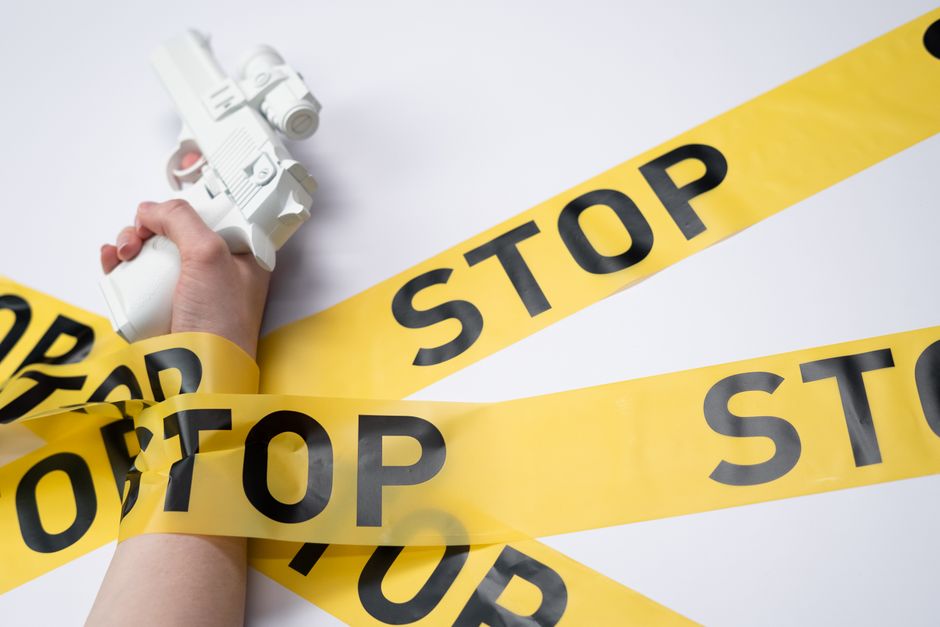
Southern noir thrives on corruption. Not just official corruption, though there's plenty of that. Moral corruption. The kind that happens when good people make small compromises until they're standing somewhere they never planned to be.
Violence and danger accelerate this process. They force decisions. They eliminate the luxury of ambiguity.
A detective who bends the rules once tells themselves it was necessary. By the third time, they're a different person. By the fifth time, they don't even recognize themselves anymore. But they can't stop because now they're in too deep. Now people know what they're capable of.
This is where the moral consequence really lives. Not in the moment of violence itself. In the long, slow realization that you've become someone you didn't intend to be.
The Burden of Secrets
Violence creates secrets. Danger forces people to keep them.
And secrets are the engine of every great crime story. The thing someone did. The thing they're hiding. The person who might find out. The truth waiting to emerge and destroy everything.
When you're building your narrative, think about what people are willing to hide and what that hiding costs them. That's where the real drama is.
Making Readers Feel the Weight
Here's what separates entertainment from literature: literary crime fiction makes readers feel the psychological and moral weight of violence.
You're not just showing the act. You're showing the aftermath. The guilt or the rationalization. The way it changes relationships. The way the character sees themselves differently. The way it haunts them or hardens them or breaks them.
This is how you create the kind of story that stays with readers long after they finish the last page. This is how you build the kind of loyal audience that comes back for your next book.
If you're interested in how these themes play out in actual Southern noir storytelling, head over to davidculpepper.com. That's where I explore violence, moral consequence, and character corruption across the Deep South and Gulf Coast crime narratives.
The Reader's Role in Moral Consequence
Here's something writers don't always think about: readers want to wrestle with moral questions.
When you present a character who does something violent or dangerous but for a reason they (and maybe even you) can partially understand, you're inviting readers into a conversation. Not giving them an answer. Asking them a question.
Would you do this? Could you do this? Do you judge this character or do you recognize yourself in their impossible choice?
That's the magic. That's what creates the kind of engaged, thinking reader who tells their friends about your book.
FAQs

Why does violence in crime fiction need moral consequences to feel real?
Because real violence impacts real people psychologically and emotionally. Readers understand this instinctively. When a character commits violence and experiences no internal reckoning, it feels false. The story loses credibility and the reader's emotional investment dies. Moral consequence makes violence meaningful instead of just sensational.
How do you write a flawed protagonist doing violent things without losing reader sympathy?
Show readers why the character believes their action is necessary. Reveal what they stand to lose and what they're trying to protect. Make their reasoning understandable even if it's morally questionable. Then let them live with the consequences. Readers will follow a character into gray moral territory if they understand the character's internal logic and see them genuinely reckoning with what they've done.
Can danger in fiction exist without violence?
Absolutely. Danger is about threat and stakes. Violence is one form of threat, but danger can come from exposure of secrets, loss of status, psychological manipulation, or the inevitability of discovery. Sometimes the most dangerous moments in noir fiction are the quiet conversations where someone realizes they've been caught or betrayed. The threat doesn't need to be physical to terrify readers.
What's the difference between gratuitous violence and violence with moral weight?
Gratuitous violence exists for shock or entertainment. Violence with moral weight serves character development and explores consequences. If the violent scene doesn't reveal something about your character or drive your plot forward in a meaningful way, it's probably gratuitous. The question to ask: what does this violence show the reader about who this person is and what they're willing to do?